

close
Choose Your Site
Global
Social Media


Views: 0 Author: Site Editor Publish Time: 2026-06-24 Origin: Site


Premature bucket failure plagues industrial facilities daily. Abrasive materials cause rapid wear and unexpected downtime. These constant interruptions stall critical production lines. Plant managers face an ongoing engineering challenge constantly. You must select the ideal polymer for your system. We often evaluate nylon against standard High-Density Polyethylene (HDPE). Making the correct choice directly impacts equipment reliability. This article provides an evidence-based comparison of Nylon and HDPE. We aim to help engineers maximize machinery lifecycles. You will learn how polymer structures dictate performance under stress. We explore specific failure modes like lip wear and impact shattering. You will understand how temperature limits and material density drive selection. We also outline crucial retrofit considerations regarding hardware and belt compatibility. Our insights guide you toward optimized, long-lasting conveyor operations. Matching the exact material to your load ensures peak operational efficiency. Read on to discover the definitive framework for your next upgrade.
Nylon elevator buckets deliver superior impact and abrasion resistance, making them strictly necessary for abrasive materials like aggregates, glass, and mining ores.
HDPE remains the standard, cost-effective choice for free-flowing, non-abrasive applications (e.g., agricultural grain handling), but fails rapidly under high-impact industrial loads.
Upgrading to nylon reduces maintenance intervals but requires verifying belt tension limits and bolt-pull-through specifications.
Matching bucket material to operational temperature and material density is the strongest predictor of heavy duty bucket conveyor reliability.
Polymer structures fundamentally dictate industrial performance. Engineers must understand these core chemical differences thoroughly. Molecular makeup determines how materials handle physical stress. It influences friction response and ambient heat resistance.
A nylon elevator bucket features incredibly high tensile strength. It offers extreme impact resistance and rigid structural integrity. This engineering-grade polymer excels in brutal processing environments. It actively prevents catastrophic failure modes across the board. You will not see rapid cracking under heavy rock impact. It also resists severe lip wear during abrasive dragging. Nylon maintains its dimensional shape when handling dense materials. It provides an unmatched combination of toughness and durability.
We observe several specific benefits when analyzing nylon polymers:
High tensile modulus prevents warping under extreme payload capacities.
Superior molecular density creates a natural barrier against sharp particulate abrasion.
Exceptional structural memory allows the component to rebound after severe mechanical impacts.
Resin formulation actively resists degradation from industrial oils and caustic chemicals.
These traits make it indispensable for punishing operational environments.
High-Density Polyethylene (HDPE) presents a distinctly different structural profile. It possesses high flexibility and significantly lower density. It also delivers excellent natural chemical resistance. Engineers consistently specify HDPE for avoiding fragile product damage. It thrives primarily in agricultural silo storage facilities. You frequently see it handling bulk organics and loose grains. The softer polymer absorbs minor operational bumps safely. It protects delicate agricultural yields during rapid transit.
However, this inherent flexibility becomes a massive liability. High-impact industrial loads overwhelm the softer molecular bonds quickly. HDPE deforms permanently under heavy particulate strikes. We recommend limiting its use to free-flowing materials exclusively.
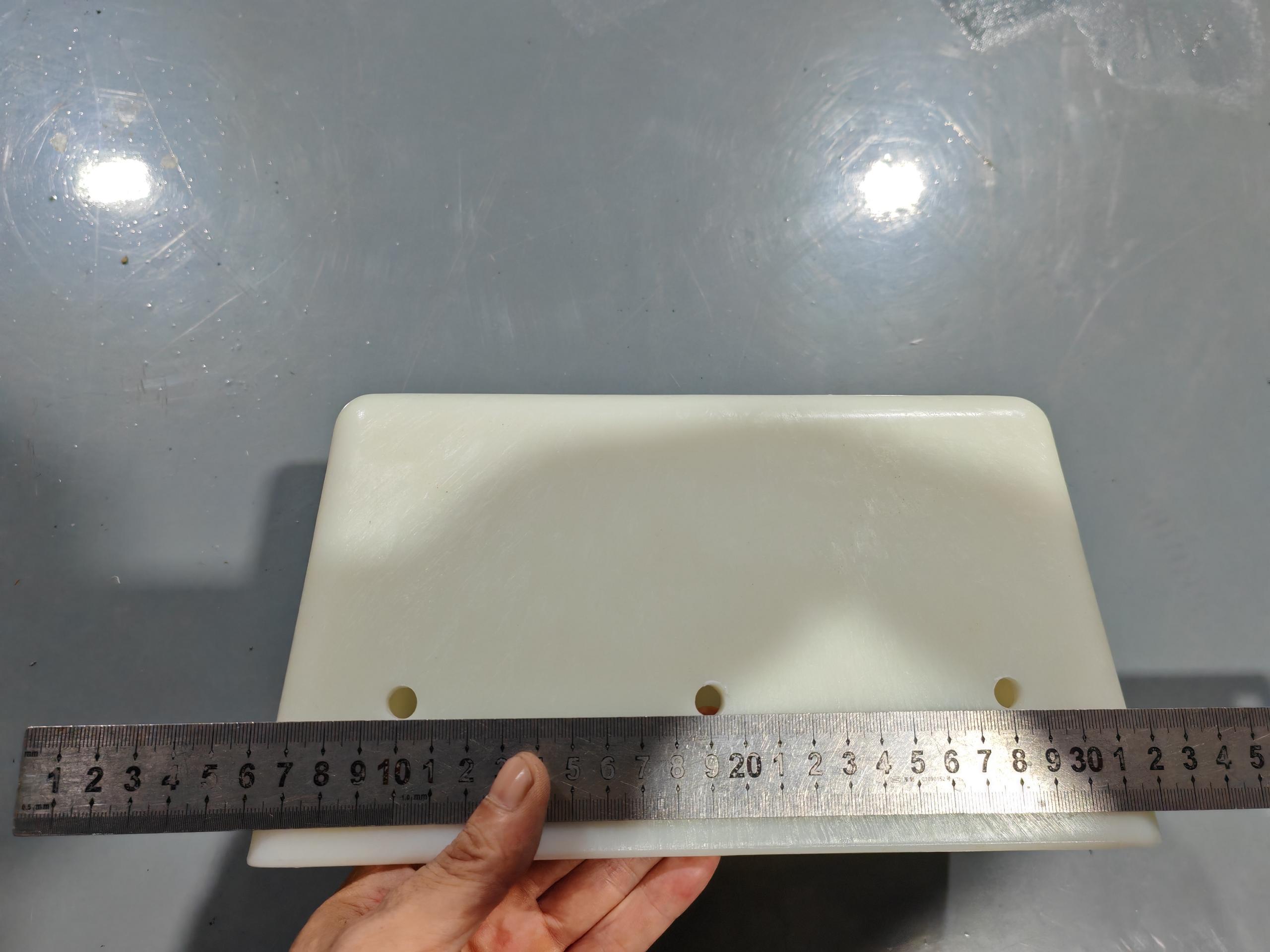
We evaluate both materials using strict industrial engineering criteria. Examining operational metrics reveals clear winners for specific applications. Proper analysis requires looking at wear rates and shock absorption.
Continuous abrasive handling degrades standard equipment incredibly quickly. We must compare lip wear rates carefully during evaluation. A wear resistant bucket extends continuous maintenance cycles significantly. Nylon stands as the definitive material for jagged loads. Dense materials like crushed glass quickly erode HDPE lips. Nylon resists this continuous dragging friction remarkably well. It preserves its operational capacity and structural geometry longer.
Consider these measurable wear factors:
Continuous dragging against boot casings causes rapid plastic degradation.
Sharp aggregates slice into softer polymers during the scooping phase.
Nylon's slick surface reduces friction coefficients during material discharge.
You secure uninterrupted production when handling harsh, jagged aggregates.
Heavy industry requires exceptional mechanical shock absorption. Large, heavy particulates strike components violently during initial loading. Nylon absorbs these brutal impacts exceptionally well. It flexes slightly and returns directly to its original shape. Conversely, HDPE tends to shatter or deform immediately. Heavy rock loads overwhelm standard polyethylene structures during drop feeds.
Engineers widely specify nylon for any mining elevator bucket. This material simply survives where competing plastics break apart. Mining operations cannot tolerate shattered components contaminating the ore flow. High impact tolerance remains paramount for underground extraction facilities.
Heat rapidly compromises standard polymer structural integrity. You must observe safe operating temperature ranges strictly. Nylon safely handles ambient heat up to 275°F (135°C). Standard HDPE maxes out around 180°F (82°C). High-heat industrial processing introduces severe thermal distortion risks.
Polyethylene becomes dangerously soft at elevated operating temperatures. It stretches and eventually pulls away from the belt. Nylon retains its rigid shape under significant thermal stress. We strongly recommend nylon for hot foundry sand applications. It also excels in industrial baking and hot fertilizer processing. Proper thermal matching prevents catastrophic mid-cycle equipment melting.
We must shift focus from technical specs to lifecycle efficiency. Optimizing your equipment lifespan drastically improves overall operational flow. Reliable components minimize unscheduled emergency maintenance stops.
Nylon requires a more substantial initial manufacturing investment. However, you must evaluate this against physical replacement frequency. We model equipment longevity using avoided maintenance cycles. Replacing shattered components consumes massive amounts of physical labor. You save countless labor hours over a decade.
Nylon drastically reduces the sheer volume of replacements needed. It keeps facility maintenance teams focused on proactive tasks. You avoid sending crews into confined spaces for emergency repairs. A highly durable component ultimately stabilizes your entire production schedule.
Weight optimization plays a crucial role in system health. A heavy duty bucket conveyor experiences immense drive motor fatigue. We must evaluate component weight differences carefully. Legacy steel options present the heaviest mechanical burden. Nylon weighs significantly less than traditional steel.
It weighs slightly more than standard HDPE. Optimizing this operational weight reduces power consumption drastically. Lighter systems reduce strain on belts, splices, and motors. You achieve better continuous uptime and lower energy usage. The drive motor runs cooler and lasts several years longer. Proper weight balancing prevents premature gear reduction failures entirely.
Choosing the correct polymer requires clear shortlisting logic. You must base decisions on the handled material and industry. We provide a structured comparison to guide your engineering choices.
Application Parameter | Nylon Specification | HDPE Specification |
|---|---|---|
Target Handled Materials | Crushed glass, foundry sand, cement, ores | Wheat, soybeans, corn, light plastic pellets |
Typical Impact Level | High to Severe | Low to Minimal |
Maximum Safe Temperature | 275°F (135°C) | 180°F (82°C) |
Abrasion Resistance Rating | Excellent | Fair / Moderate |
Primary Industry Focus | Heavy Manufacturing, Mining, Aggregates | Agriculture, Food Processing |
Certain brutal environments absolutely demand nylon components. You must mandate it for crushed glass, cement, and fertilizer. Sand and gravel operations also destroy softer polymers instantly. We highly recommend using specialized nylon digger configurations.
You space these reinforced diggers periodically along the belt. They feature aggressively thickened lips. They break up compacted materials efficiently during the scooping phase. This strategy protects the rest of the continuous line. It prevents total system jams and cascading belt failures. Nylon guarantees reliable extraction in the toughest industrial conditions.
Nylon sometimes represents unnecessary structural over-engineering. HDPE provides optimal mechanical results in specific gentle scenarios. You should retain HDPE for agriculture and food processing. It handles light, free-flowing pellets perfectly.
Soybeans and wheat flow easily without causing surface abrasion. HDPE protects these fragile items from transit damage. It offers the best balance of weight and performance here. We advise using HDPE whenever materials pose zero impact threats. It effectively reduces system weight for massive grain silos.
Swapping materials introduces entirely new engineering realities. You must demonstrate strict implementation expertise to avoid failures. Upgrading components requires comprehensive system auditing.
Upgrading to a heavier industrial conveyor bucket demands robust hardware. You cannot simply reuse old or fatigued fasteners. We detail specific engineering requirements for backing plates. You must use specific fanged bolts and wide fender washers.
These mechanical components prevent bolt pull-through under heavy loads. You must also check your current belt tension limits. Assess your mechanical splice strength before adding denser buckets. A heavier load can easily tear weak belt splices apart. Verify that the head pulley can grip the newly loaded belt safely.
Enclosed industrial environments pose serious explosion risks constantly. You must address OSHA and ATEX safety standards proactively. Combustible dust creates highly hazardous operational zones. Standard plastics generate dangerous static charges during rapid movement.
Handling agricultural dust or fine powders requires extreme engineering caution. We emphasize the necessity of anti-static nylon blends. These specialized blends dissipate static electricity safely into the casing. They ensure full compliance while maintaining rigid structural integrity. Proper grounding protocols protect both personnel and heavy facility equipment.
Our evaluation framework offers a clear path forward. You should prioritize nylon for high-impact and high-heat environments. You should reserve HDPE for standard, low-impact bulk applications. We highly recommend conducting a localized operational audit first. Try testing a short run of nylon options on your existing line. Monitor their mechanical performance before committing to a full system overhaul. This strategic approach mitigates risk and proves the engineering concept. Take action to optimize your heavy industrial processes today. Contact our engineering team for a customized wear analysis and precise material recommendation.
A: We strongly discourage mixing different weights and materials on a continuous line. Varying weights cause uneven belt wear and immediate tracking issues. This directly leads to premature mechanical splice failure. The only exception involves strategic digger configurations. You can place heavy-duty nylon diggers sparingly among HDPE to break up compacted loads.
A: Nylon is approximately 15% to 25% denser than standard HDPE. This increased density provides superior impact resistance and rigidity. However, it noticeably adds total mass to the conveying system. You must ensure your drive motor and horsepower ratings can effectively handle this added weight.
A: Yes, they often require significantly upgraded hardware. We strongly recommend using specialized fanged bolts, heavy-duty locking nuts, and oversized fender washers. You must follow strict engineering torque tolerances. Proper hardware distributes the heavier load evenly and prevents stress fractures around the mounting holes.
A: Nylon offers extreme rigidity compared to softer HDPE variants. If your belt misaligns, these rigid components will strike the steel casing. They generate much more friction and potential casing damage than polyethylene. Proper alignment sensors and routine tracking maintenance become critically important.


