

close
Choose Your Site
Global
Social Media


Views: 0 Author: Site Editor Publish Time: 2026-06-23 Origin: Site


Equipment downtime during peak harvest or processing isn't just an inconvenience; it represents catastrophic yield and margin loss. Bucket failure—whether through cracking, wear, or hardware pull-through—is largely preventable at the specification stage. Facilities often underestimate how daily operations degrade standard equipment over time. Upgrading or standardizing on the right polymer, specifically high-density polyethylene (HDPE), balances operational longevity and capital efficiency in agricultural material handling. You will learn how material choices directly prevent breakdowns and mechanical stress. We explore ways to ensure strict food safety compliance. You will also discover actionable, field-tested steps to maximize throughput and extend service life over the long term.
Material matters: HDPE offers the optimal strength-to-weight ratio for standard agricultural grains, reducing belt fatigue and motor strain.
Application matching: While an HDPE elevator bucket handles corn and wheat efficiently, highly abrasive or sticky materials may require nylon or polyurethane alternatives.
Compliance is baseline: Selecting a certified food grade conveyor bucket ensures FDA compliance and prevents cross-contamination in milled or processed grains.
Hardware dictates lifespan: Service life is determined as much by proper venting, bolt selection, and spacing as by the bucket material itself.
Material handling subjects equipment to intense, continuous stress. Agricultural dust causes relentless abrasion on moving components. Heavy grain flows create massive impact forces during loading at the boot section. Substandard materials crack under these repetitive impact conditions. Static buildup also degrades low-quality polymers over months of continuous use. They eventually fail entirely, halting entire facility lines. A single hour of unexpected downtime during harvest can destroy tight operational margins. Managers must recognize these hidden degradation factors early.
Older facilities often use traditional steel alternatives for durability. However, heavy materials carry hidden operational costs. Steel units accelerate belt stretching significantly due to their immense mass. This extra weight forces the drive motor to consume far more power. It increases daily energy usage across the plant. Heavy metal also triggers premature wear on head pulleys and bearings. The entire system works harder just to move the equipment itself. Choosing a modern HDPE elevator bucket reduces this mechanical strain. Polymers weigh significantly less than steel. This weight reduction extends the lifespan of expensive drive components.
Safety risks represent another major concern in older installations. Combustible dust environments require extreme caution. A metal unit striking a steel casing creates dangerous sparks. These sparks trigger catastrophic dust explosions in enclosed spaces. Modern facilities must prioritize safety standards to protect workers. Industry guidelines mandate spark-resistant environments. You should specify non-corrosive, non-sparking polymers to meet these standards. They mitigate explosion risks entirely by eliminating the ignition source. Furthermore, plastic materials resist rust from moisture-rich crops. This prevents structural weakening over multiple seasons.
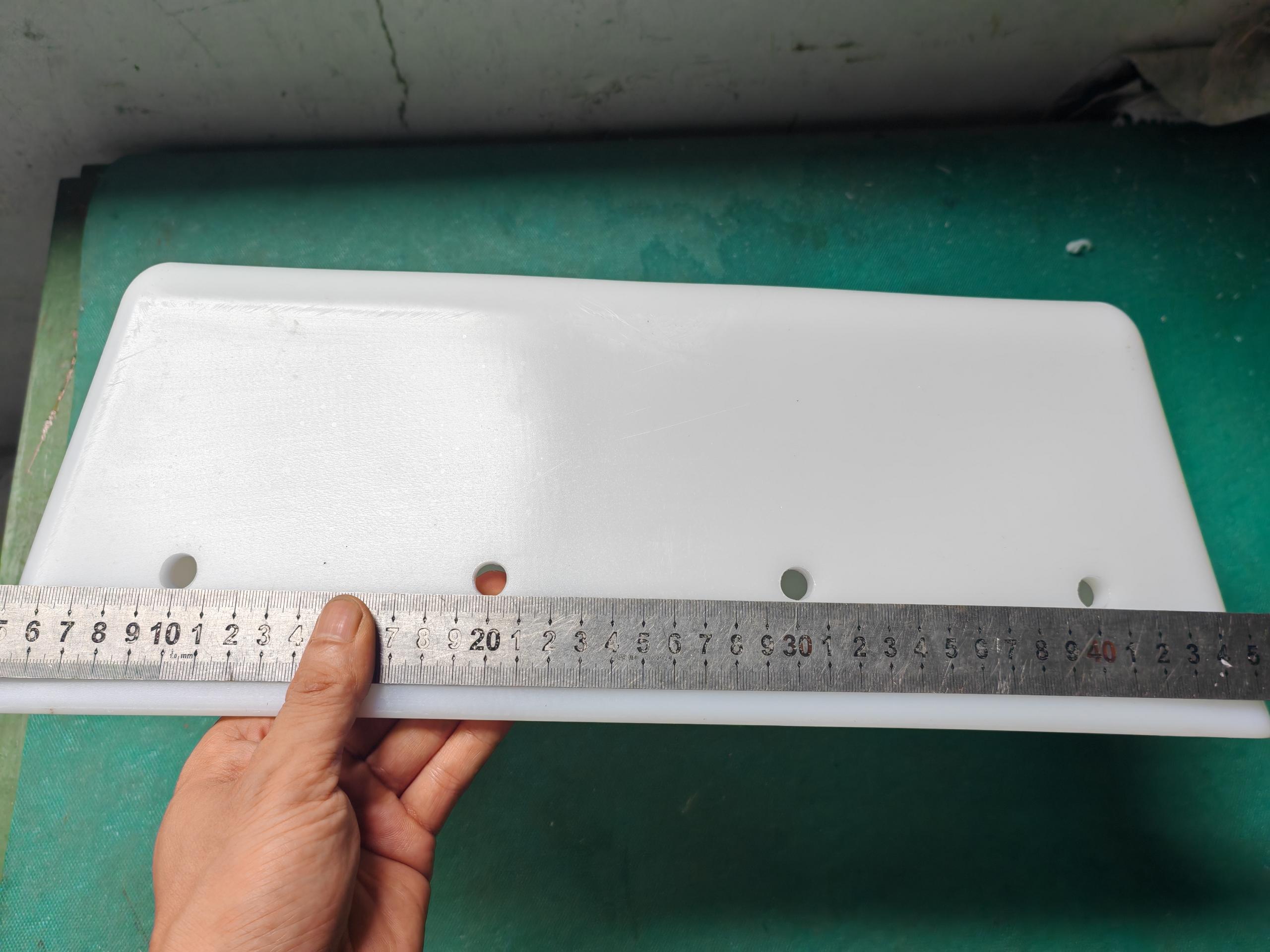
Selecting the correct polymer prevents premature replacement cycles. Facilities must carefully match the material to the commodity handled. A one-size-fits-all approach inevitably leads to localized failures. We typically classify polymer choices into three distinct categories.
High-density polyethylene stands as the default choice for general needs. It offers high impact resistance against fast-moving commodities. It remains highly cost-effective for large-scale facility upgrades. The material will never spark upon impact. This polymer excels at moving standard agricultural products like wheat, corn, and barley. An hdpe elevator bucket provides excellent daily performance. It absorbs shock well without shattering. Most grain elevators rely on this resin for their primary legs.
Some commodities demand exceptional, uncompromising durability. High-impact or highly abrasive products quickly destroy standard plastics. Soybeans, raw fertilizers, and industrial pellets fall into this harsh category. A nylon elevator bucket acts as the heavy-duty upgrade. It handles extreme abrasion better than any other polymer. It carries a higher upfront capital cost. However, it delivers exceptional longevity in extreme wear zones. The return on investment becomes obvious when you eliminate mid-season replacements.
Sticky or sluggish materials create unique flow challenges. They often fail to discharge completely at the head pulley. Polyurethane solves this specific material handling problem. It features excellent flexibility and superior non-stick properties. It is less common for free-flowing whole grains. Yet, it works perfectly for specialized wet feeds and meals. The flexible lip easily sheds compacted material during discharge.
Use the chart below to guide your specification process based on operational factors. Review your throughput volume and material abrasiveness carefully.
Material Type | Primary Commodity Application | Abrasiveness Handling | Relative Weight Factor | Impact Resistance |
|---|---|---|---|---|
HDPE | Wheat, Corn, Barley | Moderate | Very Light | High |
Nylon | Soybeans, Fertilizers, Pellets | Very High | Medium | Maximum |
Polyurethane | Sticky Feeds, Meals, Powders | Low to Moderate | Medium | Moderate |
A reliable agricultural elevator bucket relies on precise engineering. Simply choosing the correct polymer resin is not enough. You must scrutinize specific design features before purchasing. These engineered features dictate both total capacity and physical lifespan. A well-specified unit withstands thousands of hours of continuous operation.
Capacity upgrades often seem to require expensive, larger motors. This remains a common industry misconception. The lightweight nature of HDPE offers a much better solution. It drastically reduces the overall tare weight of the belt assembly. This allows for closer spacing on the belt line. You can safely implement low-profile setups. This strategy increases overall conveying capacity per hour. You achieve this throughput bump without upgrading the existing drive motor or gearbox.
Milled or processed grains require strict contamination control measures. Not all polymer resins are inherently food-safe. Industrial-grade resins often leach toxic chemicals over time. Buyers must explicitly verify FDA or USDA compliance for their facility. Specifying a certified food grade conveyor bucket prevents dangerous cross-contamination. It protects your final product quality and brand reputation. Auditors actively look for certification markings during routine facility inspections.
Good molding designs link specific features to reliable outcomes. Look for these key structural elements during your evaluation:
Thickened wear lips: The front edge takes the most abuse during loading. A thickened lip extends life against continuous scooping abrasion inside the boot.
Reinforced back walls: Motor startups generate massive torque. A reinforced back wall prevents bolt pull-through during these sudden heavy loads.
Strengthened corners: Sharp impacts often crack weak corners first. Reinforced geometry distributes stress evenly across the entire molded body.
Tapered bottoms: A slight taper assists in clean, rapid discharge. It prevents material packing in the lower corners.
Even the best engineered product fails if installed improperly. Installation protocols directly impact the effective service life. Many operators make critical mistakes during routine scheduled replacements. You must treat installation as a precise mechanical process. Proper techniques prevent sudden breakdowns during peak usage.
Never reuse old bolts during a maintenance replacement. Worn bolts weaken the crucial structural connection. Metal fatigue compromises their holding strength invisibly. You must use brand new fanged elevator bolts. Pair them with appropriate cupped washers designed for polymers. They distribute the clamping load evenly across the polymer back. This prevents stress fractures in the plastic. Tighten the lock nuts precisely to the manufacturer torque specifications.
Dense grains often behave unpredictably inside the vertical casing. Trapped air prevents proper filling during the scoop phase. It also hinders clean discharge at the top pulley. Venting solves these frustrating pneumatic issues. You should spec bottom venting for very dense materials. Side venting works well for light, fluffy products. Custom punch patterns handle highly specialized or powdered commodities. Watch for signs of material blowing out during operation. This indicates a severe lack of adequate venting.
Operators frequently change profiles to increase hourly capacity. Switching from deep to low-profile alters the discharge trajectory entirely. The material might miss the target chute. This causes massive grain backlegging down the return leg. It leads to severe product damage and accelerated belt wear. Always verify the head pulley RPM before operating. Recalculate your discharge curve to match the new aerodynamic profile. Sometimes you must adjust the baffle plate to catch the altered grain stream.
Standardizing your procurement process reduces chaotic emergency downtime. Randomly sourcing replacement parts introduces dangerous variables into your operation. You need a structured, deliberate approach to supplier selection. This ensures consistent dimensional quality across your entire facility. It also streamlines your internal maintenance inventory.
Costly mismatches happen frequently in busy plants. They usually result from sloppy measurements taken quickly. A strict one-to-one replacement requires highly precise data. You must accurately measure three specific dimensions using proper tools.
Length: Measure the top opening from one end to the other horizontally.
Projection: Measure the distance from the back wall to the furthest front lip edge.
Depth: Measure vertically from the top opening down to the lowest bottom curve.
Always measure an unused spare if possible. Worn units lose significant material on the front lip. This skews your projection measurements severely.
The belt integrity strictly limits your installation options. You must match the existing belt punch patterns perfectly. Never re-punch an old belt to fit a mismatched hole pattern. Extra holes drastically degrade the internal tensile strength. This easily leads to catastrophic belt snapping under maximum load. Document the exact bolt hole centers before placing any bulk order.
Harvest season puts enormous pressure on global supply chains. You cannot wait several weeks for critical replacement parts. Evaluate suppliers strictly based on their verifiable inventory availability. Check their warranty terms carefully against your operational hours. Ensure they offer accessible technical engineering support. A reliable partner ships critical components within hours, not days. They should provide CAD drawings and performance data upon request. Build relationships with vendors who understand your specific commodity challenges.
An HDPE grain handling bucket represents the most balanced investment for standard agricultural operations. This assumes it is correctly specified and carefully installed. Material choice dictates long-term success or failure. It minimizes belt strain and completely eliminates dangerous sparking risks. To maintain peak efficiency, facility managers should take proactive steps immediately. Conduct a comprehensive wear-pattern audit on current equipment. Identify specific failure modes before issuing your next purchase order. Standardize your hardware choices across the entire plant. This deliberate approach guarantees higher throughput and significantly fewer emergency shutdowns.
A: Most high-density polyethylene models handle continuous operating temperatures up to 180°F (82°C). Exposure to higher heat causes the polymer to warp and lose structural integrity. If your processing environment exceeds this thermal limit, you should switch to a nylon alternative. Nylon safely withstands temperatures up to 250°F (121°C).
A: Yes, operators frequently mix them by installing "digger buckets." This involves placing one steel bucket every ten plastic ones. The metal unit breaks up compacted or frozen material. However, this practice risks uneven belt wear. Ensure the belt tension is carefully monitored to handle the varying weight loads.
A: Look for two common symptoms. First, light or fluffy materials may blow out of the casing due to aerodynamic drag. Second, dense materials may fail to discharge cleanly, leading to backlegging down the return side. If you observe either issue, adding bottom or side vent holes will help release trapped air.
A: Yes, standard plastic polymers naturally accumulate static electricity as they move over pulleys. In combustible dust environments, this static buildup poses an explosion risk. To mitigate this danger, you must use conductive belts. You can also request static-dissipative polymer additives when ordering parts for high-risk zones.


