

close
Choose Your Site
Global
Social Media


Views: 0 Author: Site Editor Publish Time: 2025-08-27 Origin: Site


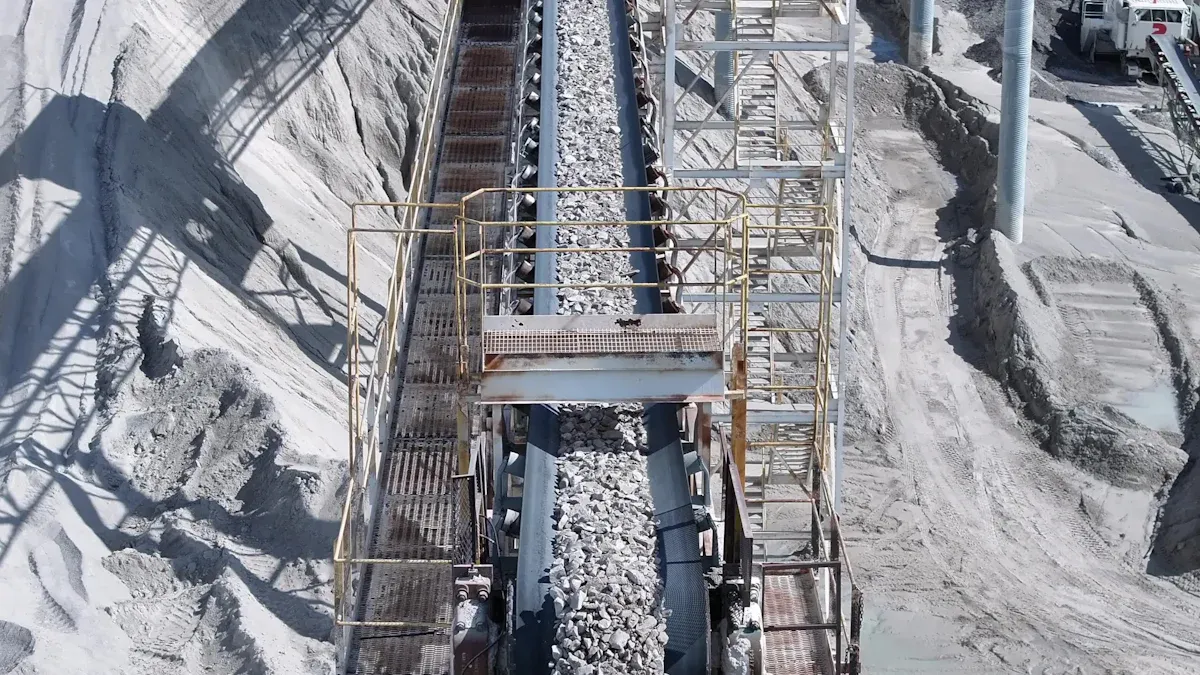
Choosing the right mining conveyor belt begins with knowing your material, how you use it, and where you use it. You must pick a mining conveyor belt that fits your own needs. Pay attention to these important things:
Product size and weight
Material characteristics
Direction and speed
Operating environment
Belt type
Each mining conveyor belt should work with your load and situation. Think about what your industry needs and what you want to achieve. The best mining conveyor belt helps your work and makes things run better.
First, check your product’s size and weight. This helps you pick a belt that fits and holds your load safely.
Choose the belt type and material that matches your product. Think about how you move your items for better results.
Look at your workplace’s temperature, humidity, and chemicals. Pick a belt that will last longer and stay safe.
Follow safety rules and teach your team to stop accidents. This keeps your conveyor working well.
Make a plan for regular maintenance and future upgrades. This saves money and stops your operation from slowing down.
Start your mining conveyor belt selection by looking at the size and weight of your products. You need to measure each item that will travel on the mining conveyor belt. Large or heavy loads require a stronger conveyor belt. Small or light items may need a belt with a smooth surface to prevent slipping. Make a list of your products and note their dimensions and weights. This step helps you avoid choosing a mining conveyor belt that cannot handle your materials.
Tip: Use a simple table to record product sizes and weights. This makes mining conveyor belt selection easier.
Product Name | Length (inches) | Width (inches) | Weight (lbs) |
|---|---|---|---|
Example 1 | 12 | 8 | 15 |
Example 2 | 20 | 10 | 30 |
You must know what your products are made of before you choose a mining conveyor belt. Some materials are rough, sticky, or sharp. Others may be fragile or sensitive to pressure. If you move rocks, ores, or minerals, you need a mining conveyor belt that resists abrasion. If you handle powders or chemicals, look for belts that prevent leaks and contamination. Always match the belt surface and material to your product’s needs.
Check if your material is abrasive or sticky.
Decide if you need a belt that is easy to clean.
Think about how your material reacts to heat or cold.
You should decide how your mining conveyor belt will move. Will it go straight, curve, or incline? The direction affects the type of conveyor belt you need. Speed also matters. Fast-moving belts need strong motors and durable surfaces. Slow speeds may work for fragile items. Write down the direction and speed you want for your mining conveyor belt. This helps you make the best conveyor belt selection for your operation.
Note: Always test your mining conveyor belt at different speeds before final installation. This ensures safe and smooth operation.
You need to look at how your products sit and move on the mining conveyor belt. Product orientation means the way your items face or rest as they travel. Some products must stay upright. Others need to lie flat. If your product tips over easily, you must check its center of gravity. Sensitive items may need extra support or guides. You can use side rails or cleats to keep products in place. When you choose the right conveyor belt, always test how your items move. This helps you avoid damage and keeps your process safe.
Tip: Place a few sample products on the mining conveyor belt. Watch how they move. Adjust the guides or belt surface if needed.
You must pick a mining conveyor belt with the right width and strength. The belt should be wide enough for your largest product. If the belt is too narrow, items may fall off. Measure your biggest item and add a few inches for safety. Strength matters too. The belt must hold the weight of your products without stretching or breaking. Check the belt’s maximum operating tension. This tells you how much force the belt can handle. Strong belts last longer and reduce downtime.
Belt Feature | What to Check | Why It Matters |
|---|---|---|
Width | Largest product size + safety | Prevents product loss |
Strength | Max operating tension | Avoids belt failure |
Material | Abrasion resistance | Handles rough materials |
You must know how much weight your mining conveyor belt will carry. Add up the weight of all items that move at one time. This is your total load. The belt must support this load without slipping. Speed is also important. Fast belts move more products but need stronger motors. Slow belts work better for fragile items. You can use a simple formula to find the right speed:
Belt Speed (feet/minute) = Total Distance (feet) ÷ Time (minutes)
Write down your load and speed needs before conveyor belt selection. This helps you pick the best mining conveyor belt for your job.
Note: If you change your load or speed later, you may need a new mining conveyor belt. Always plan for future growth.
By following these steps, you make selecting the right conveyor easier. You protect your products and improve your workflow.
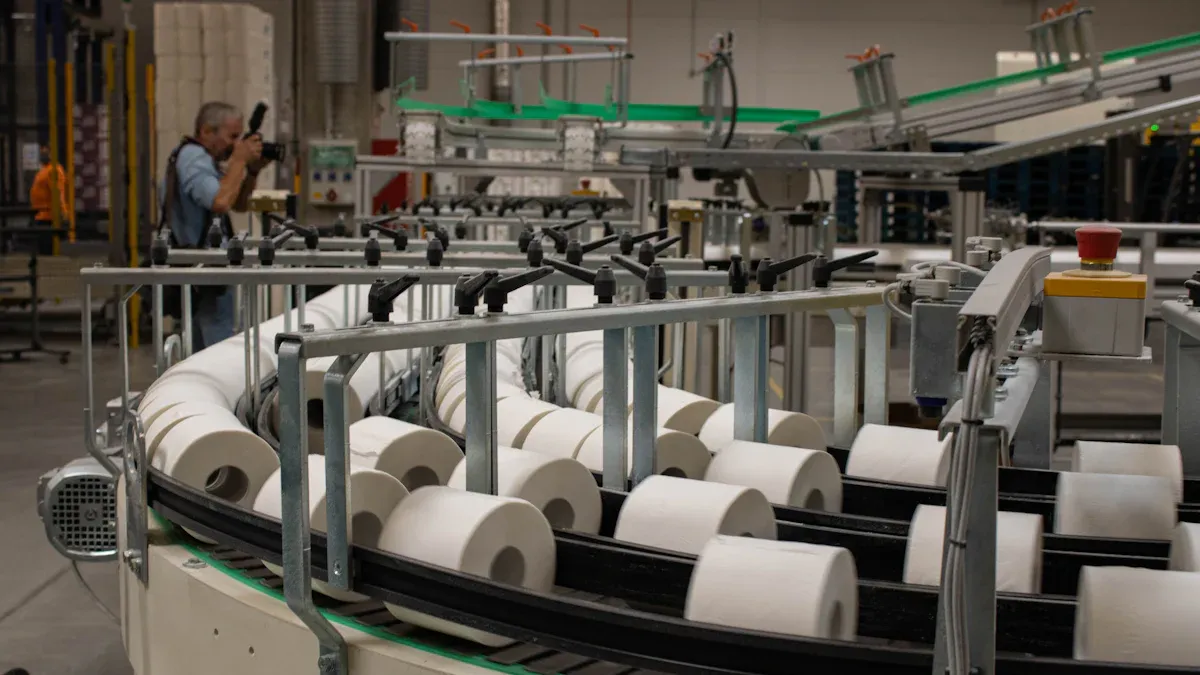
You have many conveyor belt options for your mining operation. Each type works best for certain tasks. Here are some common types you can choose:
Flat Belt: Use this for moving items in a straight line. It works well for most mining conveyor belt needs.
Modular Belt: Pick this when you need to move products around curves or inclines. It is easy to clean and replace.
Cleated Belt: Choose this if your mining conveyor belt must carry loose or bulk materials up a slope. The cleats keep items from sliding back.
Roller Belt: Use this for heavy loads. The rollers help reduce friction and make it easier to move large items.
Tip: Always match the conveyor belt type to your product and process. This helps you avoid problems later.
You must select the right material for your mining conveyor belt. The material affects how long the belt lasts and how well it handles your products. Here are some conveyor belt options for materials:
Material | Best For | Not Good For |
|---|---|---|
Rubber | Heavy, abrasive materials | High heat |
PVC | Light, clean products | Oily or sharp items |
Steel | Very heavy or hot materials | Fragile products |
Fabric | Light, dry items | Wet or sticky loads |
Think about what your mining conveyor belt will carry. Choose a material that matches your needs.
Every mining conveyor belt type and material has strengths and weaknesses. You need to weigh these before making a choice.
Rubber belts last long and resist wear, but they can break down in high heat.
PVC belts are easy to clean, but they do not handle sharp or oily items well.
Steel belts support heavy loads and high temperatures, but they cost more and can damage fragile products.
Fabric belts are light and flexible, but they may not last as long with rough materials.
Note: Review all conveyor belt options with your team. Test samples if possible before you decide.
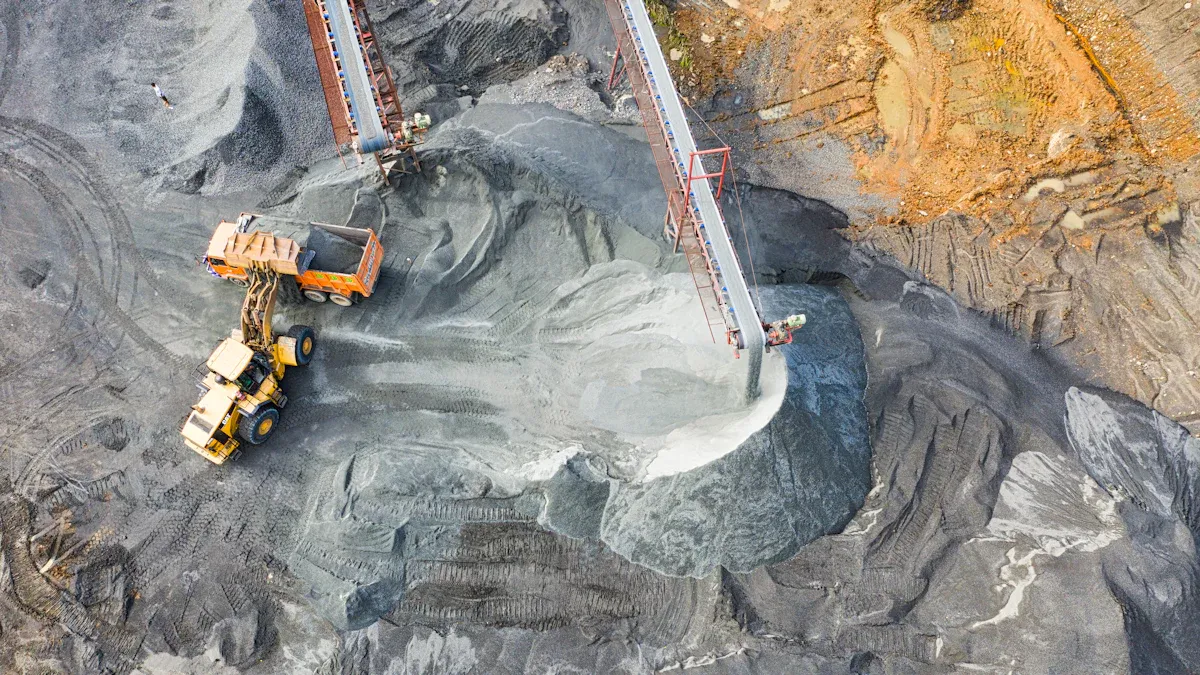
Check the temperature and humidity in your work area first. Hot places can make some belts crack or melt. Cold places can make belts hard and easy to break. Humidity can cause mold or rust, especially on steel or fabric belts. Measure the temperature and humidity in your building. Write these numbers down so you remember. Pick a mining conveyor belt that works in these conditions. If your mine is hot, get a belt that resists heat. If your area is wet, choose a belt that keeps out water.
Tip: Ask your supplier for test results about how belts work in very hot or wet places.
Think about chemicals and keeping things clean when picking a mining conveyor belt. Some belts touch acids, oils, or solvents. These can hurt the belt’s surface. Make a list of all chemicals near your conveyor belt. Choose a belt material that does not get damaged by these chemicals. If you need a clean place, pick belts that are easy to wash and do not soak up liquids. PVC and stainless steel belts are good for clean areas. Rubber belts may not be good if there are strong chemicals.
Chemical Type | Recommended Belt Material | Cleaning Ease |
|---|---|---|
Acidic | Stainless Steel | High |
Oily | PVC | Medium |
Solvent | Rubber | Low |
You must follow safety rules when you set up a mining conveyor belt. These rules keep workers and machines safe. Check the local and national rules for conveyor belt systems. If your mine has things that can catch fire, use belts that resist fire. Make sure your conveyor belt has guards and emergency stop buttons. Teach your team how to use the mining conveyor belt safely. Talk about safety features with your supplier before you buy.
Note: Safety checks help stop accidents and keep your work going well.
You need to check every important point before you make your final choice. Start by looking at your product size and weight. Make sure you know the material characteristics. Write down the direction and speed you want for your system. Check the environment where you will use the equipment. Review the type and material of the belt you plan to use.
Here is a simple checklist to help you:
Measure your products and record their weight.
Identify if your materials are rough, sticky, or fragile.
Decide on the direction and speed for your process.
Check the temperature and humidity in your workspace.
List any chemicals or cleaning needs.
Confirm safety standards for your operation.
Choose the belt type and material that matches your needs.
Tip: Use this checklist with your team. Mark each item as you review it. This helps you avoid mistakes and keeps your process safe.
You must think about how you will care for your system. Maintenance keeps your equipment working well. Plan for regular checks and cleaning. Write down how often you need to inspect the belt. Keep spare parts ready for quick repairs. Ask your supplier about the best way to replace worn parts.
Think about your future needs. If your business grows, you may need a stronger or wider belt. Choose a system that lets you upgrade easily. Ask about new technology or features that can help you later.
Task | How Often | Who Does It |
|---|---|---|
Inspect belt | Weekly | Maintenance |
Clean belt surface | Daily | Operator |
Replace worn parts | As needed | Technician |
Note: Good maintenance and planning help you save money and avoid downtime. Always think ahead to keep your system running smoothly.
You can choose the right system by following each step in this guide. Start by listing your product needs. Match your choice to your materials, your process, and your work environment. Review your checklist before you decide. If you have questions, talk to a supplier or an expert for advice that fits your operation.
Remember: The best choice supports your goals and keeps your work running smoothly.
You should measure your product size and weight. Write down these numbers. This helps you pick a belt that fits your items and supports your load.
Check what your products are made of. If you move sharp or heavy items, choose rubber or steel. For clean areas, pick PVC or stainless steel.
You can use one belt for similar products. If your items have different sizes or weights, you may need a wider or stronger belt.
Inspect your conveyor belt every week. Look for wear, damage, or loose parts. Regular checks help you avoid breakdowns and keep your system safe.
Stop the system. Check the belt tension and alignment. Clean the belt surface. If problems continue, contact your supplier for help.


