

close
Choose Your Site
Global
Social Media


Ever wondered how heavy materials move smoothly through machines?
Behind many systems, a simple component makes motion reliable.A sprocket is a key part of many mechanical systems.
It helps transfer motion in conveyors and industrial equipment.In this article, you will learn what a sprocket is.
You will also explore its features and common applications.
A sprocket is a mechanical component with teeth designed to mesh with a chain, transmitting rotary or linear motion within various systems. The sprocket's teeth ensure a positive engagement with the chain links, eliminating slippage and providing efficient power transmission. This makes sprockets essential in systems requiring consistent motion and torque.
Sprockets are found in various applications, especially in conveyor systems for material handling and in transportation systems like bicycles and motorcycles. They convert rotational motion into linear motion or vice versa, ensuring smooth operation in many mechanical systems.
Feature | Sprockets | Gears | Pulleys |
Engagement | Teeth mesh with chains | Teeth mesh directly with other gears | Smooth surface, engage with belts |
Primary Use | Transmit power through chains | Transfer power between shafts | Redirect or transfer power via belts |
Distance | Suitable for longer distances | Require close shaft positioning | Used for flexibility in systems |
While sprockets and gears are both used to transmit power, they operate differently. Gears mesh directly with each other to transfer motion between shafts, while sprockets engage with a chain, allowing them to function over longer distances. Pulleys, unlike sprockets, rely on friction to transmit power through belts and are typically smooth, except for timing pulleys used in toothed belt systems.
Sprockets are integral to a wide range of industrial and transportation systems. In industrial applications, sprockets are used in conveyor systems to transport materials efficiently. Their role in driving chains ensures smooth and reliable movement in environments such as food processing, mining, and manufacturing. The sprockets' teeth engage with the chain links, moving materials across different stages of production or through long distances.
Key Applications in Industry:
● Conveyor Systems: Transfer materials in factories and warehouses
● Material Handling: Move bulk goods such as grains, ores, and chemicals
● Food Processing: Ensure smooth movement of ingredients or finished products
In transportation, sprockets are crucial for bicycles, motorcycles, and other vehicles. On a bicycle, the pedal force drives a large sprocket, which moves the chain and turns the smaller sprocket on the rear wheel, propelling the bike forward. Similarly, in motorcycles, sprockets adjust the power transfer between the engine and the wheels, affecting acceleration and speed.
Transportation Applications:
● Bicycles and Motorcycles: Transfer power from pedals or engine to wheels
● Tracked Vehicles: Provide traction on rough terrain by engaging with tracks
Sprockets are also used in tracked vehicles such as tanks and bulldozers, where they engage the track links to move the vehicle across uneven surfaces, distributing weight for better traction and stability.
The versatility of sprockets, from industrial conveyors to transportation systems, highlights their crucial role in powering motion and ensuring the efficiency of various mechanical systems.
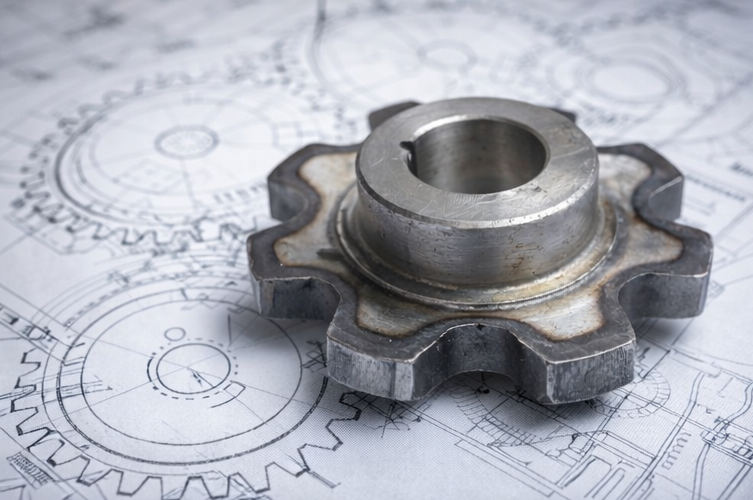
A sprocket functions by meshing with a chain, creating a mechanical connection that transmits rotary motion. When a sprocket turns, its teeth engage with the chain links, causing the chain to move. This engagement is a "positive lock," meaning that there is no slippage between the sprocket and the chain, unlike other systems that rely on friction. As the sprocket rotates, the chain follows in sync, ensuring a smooth and consistent movement. This reliable connection is vital for applications where uninterrupted power transfer is crucial, such as in conveyor systems.
The teeth of a sprocket play a critical role in ensuring the effective transfer of power. As each tooth of the sprocket fits into a link of the chain, it exerts a pulling force on the chain, which then moves in a controlled manner. The design of the teeth is optimized for the specific chain they interact with, ensuring that the engagement is precise and secure. The sprocket’s teeth help prevent any skipping or slipping, which can cause power loss or disruption in the system. In industrial settings, such as in drag conveyor systems, this precise engagement allows for consistent material movement without delays, improving the efficiency of the overall system.
Key Functions of Sprocket Teeth:
● Transmit rotary motion to the chain.
● Ensure synchronized movement between sprocket and chain.
● Prevent slippage, ensuring continuous power transfer.
One of the most important factors in ensuring a sprocket works effectively is pitch alignment. The pitch refers to the distance between adjacent teeth on a sprocket or chain. For optimal performance, the pitch of the sprocket must match the pitch of the chain. If the sprocket's teeth and the chain’s links are not properly aligned, the chain may slip or fail to move smoothly, leading to inefficient operation and increased wear.
Pitch alignment also affects the speed and torque of the system. A sprocket with more teeth will provide greater torque but may move more slowly, while a sprocket with fewer teeth can increase speed but may result in less torque. Ensuring that the sprocket and chain are correctly matched based on their pitch is essential for achieving the desired performance in mechanical systems, particularly in heavy-duty applications like those used in mining or industrial conveyor systems.
Why Pitch Alignment Matters:
● Ensures smooth, reliable motion without slippage.
● Impacts the efficiency of power transfer in the system.
● Affects the torque and speed balance in applications.
Different sprockets serve different functions within a chain-driven system. Their roles depend on how they interact with the chain, where they are positioned, and how much load they handle. The table below provides a quick structural overview, followed by clear explanations for each type.
Sprocket Type | Primary Role | Typical Position | Main Purpose |
Drive sprocket | Supplies power to the chain | Connected to motor or drive shaft | Initiates and controls system motion |
Driven sprocket | Receives power from the chain | Downstream or output side | Transfers motion to equipment |
Idler sprocket | Does not transmit power | Along chain path | Maintains tension and alignment |
Multi-strand sprocket | Handles higher loads | Drive or driven position | Distributes high torque |
Drive sprockets are the starting point of motion in a chain system. They are directly connected to a motor, gearbox, or other power source. When the shaft rotates, the sprocket teeth engage the chain links and pull the chain forward. This direct engagement ensures stable power transmission without relying on friction.
In drag conveyors and similar machinery, drive sprockets determine operating speed and torque. Their performance affects how smoothly materials move through the system. A well-matched drive sprocket helps reduce vibration, uneven loading, and sudden movement during startup.
Driven sprockets are positioned on the receiving end of the chain system. They do not generate motion on their own but rotate as the chain is pulled by the drive sprocket. Their role is to pass that motion to connected components, such as conveyor shafts or handling equipment.
In material handling systems, driven sprockets are often exposed to continuous loads. They help keep the chain moving at a steady pace, especially in heavy-duty environments where materials must travel long distances without interruption.
Idler sprockets do not transmit power. Their main function is to guide the chain and maintain proper tension throughout the system. By supporting the chain path, they prevent excessive slack that could cause misalignment or jumping.
Idler sprockets are commonly used in longer conveyor layouts. They help stabilize chain movement and reduce uneven wear. Proper tension control also improves overall system reliability and extends the service life of both the chain and the sprockets.
Multi-strand sprockets are designed for applications that require higher torque and load capacity. Instead of a single row of teeth, they feature multiple parallel rows, allowing the load to be shared across several chain strands.
These sprockets are often used in heavy industrial equipment where single-strand systems are not sufficient. By distributing force more evenly, multi-strand sprockets help reduce stress on individual components and support continuous operation under demanding conditions.
Sprockets are critical components across various industries, each with distinct needs and requirements. The table below summarizes the key sprocket applications in different sectors, followed by a more detailed explanation of each application.
Industry | Application | Key Requirements |
Mining and Aggregate | Drag conveyors for transporting ores, rocks, and other materials | Durability, wear resistance, and heavy load handling |
Food and Beverage Processing | Conveyors for moving raw, semi-finished, and finished products | Hygiene, corrosion resistance, and material handling |
Heavy Machinery and Industrial Use | Tracked vehicles (bulldozers, excavators), power generation, material handling systems | High torque capacity, smooth operation under heavy loads |
In the mining and aggregate industry, sprockets are essential in drag conveyors that transport materials like ores, rocks, and other mined goods. These sprockets must be able to withstand harsh conditions, particularly the abrasive nature of the materials being moved.
Sprockets used in mining applications must be constructed from durable, wear-resistant materials such as hardened steel. This ensures that they can handle the high friction and heavy loads encountered in mining environments. Regular maintenance is critical for these sprockets, as wear can impact performance, leading to downtime in essential operations.
Key Features for Mining Applications:
● High wear resistance to handle abrasive materials
● Durability for heavy loads and continuous operation
● Precision machining to ensure smooth and efficient movement
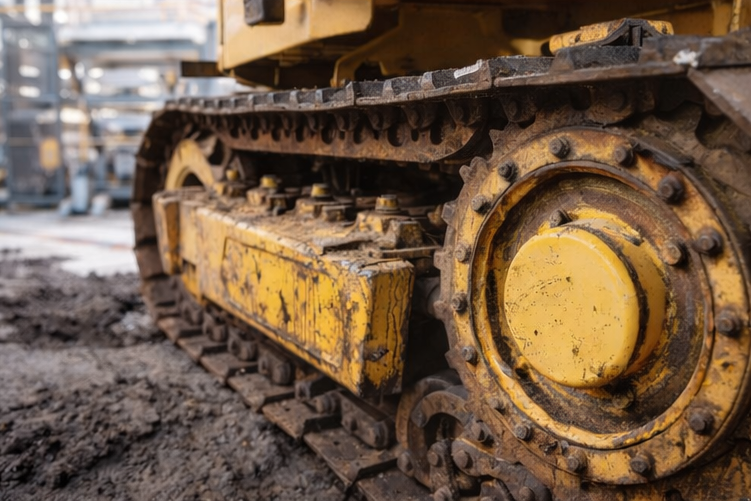
In the food and beverage processing industry, sprockets are commonly used in conveyors that transport raw materials, semi-finished products, and finished goods through production lines. Due to the sensitive nature of food products, the sprockets used in these systems must meet stringent hygiene and safety standards.
Food processing sprockets are typically made from corrosion-resistant materials, such as stainless steel or food-grade plastics. These materials ensure both durability and ease of cleaning, preventing contamination in the production process. Sprockets in this industry must also operate smoothly to prevent damage to the products being handled, ensuring high-quality output.
Key Considerations for Food Processing Applications:
● Corrosion-resistant materials such as stainless steel
● Hygienic designs that are easy to clean
● Robust enough to handle food products without causing damage
Sprockets are essential in heavy machinery and industrial applications, particularly in tracked vehicles like bulldozers and excavators. These sprockets engage with the track links to facilitate movement across rough, uneven terrain. In other industrial settings, sprockets are used to transfer power to machinery such as conveyors, pumps, and other equipment.
For heavy machinery, sprockets need to handle significant torque and large loads without compromising performance. The materials used must be strong enough to withstand high-stress conditions and provide consistent operation under heavy-duty environments. Sprockets in these industries ensure that machines run efficiently, even under challenging conditions.
Applications in Heavy Machinery:
● Tracked Vehicles: Sprockets engage with track links to provide movement on rough surfaces.
● Industrial Equipment: Power transmission to conveyors, pumps, and other machinery.
● Construction: Efficient operation of bulldozers and excavators in heavy-duty environments.
When selecting a sprocket for a specific application, the material plays a vital role in determining its performance and longevity. Sprockets are typically made from various materials, including hardened steel, carbon steel, stainless steel, and sometimes lightweight materials like aluminum. The choice of material depends on the application’s requirements such as load capacity, wear resistance, and environmental conditions.
For heavy-duty applications, such as in mining or material handling, sprockets made of hardened steel or carbon steel are ideal due to their high durability and ability to withstand abrasive conditions. Stainless steel sprockets are commonly used in environments that require resistance to corrosion, such as in food processing industries where hygiene is crucial.
Key Factors to Consider When Choosing Material:
● Load Capacity: Heavier loads require stronger materials like hardened steel.
● Corrosion Resistance: Stainless steel is preferred in corrosive environments, such as food processing.
● Environmental Conditions: The material must withstand temperature, moisture, and other environmental factors.
The number of teeth on a sprocket and the alignment of its pitch with the chain are critical factors for smooth and efficient power transmission. The tooth count affects the torque and speed of the system, as sprockets with more teeth generate more torque but at a slower speed, while those with fewer teeth provide higher speed but less torque.
For optimal performance, it’s essential that the sprocket’s teeth are correctly aligned with the chain's pitch. Misalignment can cause the chain to skip, leading to wear and potential system failure. Proper pitch alignment ensures smooth, consistent operation, minimizing wear on both the sprocket and the chain, and maximizing the system’s overall efficiency.
Key Considerations for Tooth Count and Pitch:
● More Teeth: Provides higher torque, ideal for heavy-duty applications.
● Fewer Teeth: Increases speed, suitable for applications needing fast movement.
● Pitch Alignment: Ensure sprocket teeth match the chain’s pitch for efficient power transfer.
Different industries have unique demands for sprockets, and customization is often necessary to meet specific operational needs. For example, sprockets used in the mining industry require high wear resistance due to the abrasive nature of the materials being transported. In contrast, food processing sprockets need to be made from corrosion-resistant materials to meet hygiene standards.
Customization can also involve adjusting the sprocket’s size, tooth profile, and material to ensure compatibility with the specific conveyor systems or machinery in use. Many manufacturers offer tailored solutions to meet the unique requirements of industries like mining, food processing, or heavy machinery.
Industry-Specific Customization Examples:
● Mining: High-strength steel sprockets with enhanced wear resistance.
● Food Processing: Stainless steel sprockets with easy-to-clean designs.
● Heavy Machinery: Large, multi-strand sprockets designed for high-torque applications.
One of the most important aspects of sprocket selection is ensuring that the sprocket and chain are compatible. The pitch of the sprocket and chain must align precisely to prevent slippage, ensure smooth operation, and reduce wear on both components. A mismatch in pitch can cause uneven engagement, leading to accelerated wear and potential system failure.
In applications like conveyor systems or material handling, matching the correct sprocket and chain is crucial for optimal performance. Using the right sprocket ensures that the chain moves smoothly, efficiently, and reliably, reducing downtime and increasing the overall lifespan of the system.
Why Sprocket and Chain Matching Matters:
● Prevent Slippage: Proper alignment ensures smooth engagement.
● Reduce Wear: Minimizes friction and extends the lifespan of both sprockets and chains.
● Maximize Efficiency: Ensures smooth, reliable operation across various applications.
Selecting the right sprocket for your application involves understanding material requirements, tooth count, pitch alignment, and industry-specific needs. Ensuring the compatibility between the sprocket and the chain is key to achieving optimal performance and longevity in mechanical systems.
Sprockets play a crucial role in mechanical systems, helping transfer motion efficiently in industries like mining, food processing, and heavy machinery. Choosing the right sprocket ensures smooth operation, reduces wear, and improves system performance. Proper maintenance and selection are essential for reliability. At Jiangsu Jingwei Conveying Equipment Co., Ltd., we offer durable, high-performance sprockets designed to meet the unique needs of various industries.
A: A sprocket is used in mechanical systems to transmit rotary motion via a chain, typically in conveyors, material handling, and machinery requiring precise power transfer.
A: Choosing the right sprocket depends on factors like material, tooth count, pitch alignment, and the specific needs of your industrial application, such as load capacity and environment.
A: Sprockets in heavy machinery require regular inspection, lubrication, and replacement of worn teeth to maintain smooth operation and prevent chain slippage.
A: The material of a sprocket, such as hardened steel or stainless steel, affects its durability, wear resistance, and corrosion resistance, influencing its service life in demanding environments.


