

close
Choose Your Site
Global
Social Media


Views: 0 Author: Site Editor Publish Time: 2026-11-26 Origin: Site


Material failure or supply chain disruptions in high-density polyethylene (HDPE) procurement directly impact project timelines, compliance, and end-product viability. Sourcing industrial plastics requires rigorous technical evaluation. Buyers face significant risks regarding batch inconsistency, poor dimensional tolerances, and unpredictable lead times that stall production lines. Choosing the wrong vendor leads to compromised structural integrity in final applications, ranging from marine components to food processing equipment.
Procuring reliable polymers demands a strict assessment of manufacturing capabilities. You must verify that the facility can consistently extrude, cut, and deliver materials that meet exact engineering specifications. Relying solely on surface-level product descriptions often masks underlying deficiencies in resin quality or production capacity. A thorough vetting process separates primary producers from mere distributors.
This guide provides a technical and operational framework for vetting an hdpe sheet manufacturer. You will learn how to ensure they possess the specific engineering capabilities, quality control protocols, and supply chain stability required for your application.
Prioritize manufacturers with verified in-house fabrication for custom HDPE sheets to reduce lead times, enforce tighter tolerances, and eliminate third-party markup.
Evaluate material compliance strictly based on the end-use application (e.g., FDA-approved for food processing, UV-stabilized for outdoor exposure, acid-resistant for chemical storage).
Assess a supplier's quality control documentation, specifically demanding Certificates of Analysis (CoA) for tensile strength, compressive strength, and thickness consistency.
Matching the specific resin grade to the deployment environment prevents premature material failure. Standard grade polyethylene serves well for basic indoor structural components like cutting boards or indoor tank linings. However, it degrades rapidly under prolonged ultraviolet exposure. Pipe grade HDPE features specialized carbon black additives or advanced UV stabilizers. This makes it the preferred choice for outdoor applications like playground equipment, outdoor cabinetry, or marine environments. Marine-grade variations offer enhanced resistance to continuous moisture and salt exposure. They withstand harsh wave action without delaminating or losing tensile strength.
Regulatory compliance dictates material selection in highly controlled industries. Food processing environments require plastics that meet strict FDA, USDA, or NSF standards. These certifications guarantee that the polymer will not leach harmful chemicals into consumables. You must verify that the material possesses inherent moisture, stain, and odor resistance. Electronics manufacturing demands RoHS compliance to ensure the absence of restricted hazardous substances. Clearly defining these regulatory prerequisites helps you filter out unqualified hdpe sheet suppliers early in the sourcing process.
Chemical storage applications require specific molecular weight distributions to resist harsh acids and alkalis. Industrial tanks and containment vessels rely on high-density materials that prevent permeation from aggressive chemicals like sulfuric acid or sodium hydroxide. When drafting your technical requirements, specify the exact chemicals, concentrations, and operating temperatures the plastic will encounter. This data allows the manufacturer to recommend the precise resin formulation needed for long-term stability.
Establishing accurate dimensional requirements directly influences the structural rigidity of your final product. Standard thickness ranges typically fall between 1/16 inch and 5 inches. High-density polyethylene offers significantly higher rigidity and tensile strength compared to low-density polyethylene (LDPE) at the same thickness. Specifying the correct thickness prevents material sagging in load-bearing applications while avoiding unnecessary weight in structural designs.
Tolerance control separates premium manufacturers from commodity extruders. Standard sheet sizes, such as 48″x96″ and 48″x120″, usually carry broader dimensional tolerances. Precise cut-to-size requirements demand strict adherence to tight tolerances, often within fractions of a millimeter. You must define acceptable variance limits for length, width, and thickness. Inconsistent thickness across a single sheet causes severe issues during secondary machining processes. If a sheet varies by just 0.030 inches in thickness, CNC routers will cut uneven depths, leading to high scrap rates.
Surface finish dictates both aesthetic appeal and functional performance. Smooth finishes work best for food contact surfaces, allowing for easy sanitation and preventing bacterial growth. Matte finishes reduce glare and hide surface scratches in high-traffic applications. Textured finishes, such as haircell or orange peel, provide necessary slip resistance for marine decking or industrial flooring. Evaluate the manufacturer's ability to maintain a uniform texture across large production batches. Inconsistent texturing indicates poor temperature control during the extrusion process.
Baseline mechanical properties must align with your engineering drawings. Focus on tensile strength, which measures the force required to pull the material to the point of failure. Compressive strength dictates how much load the HDPE sheets can support without deforming. Impact resistance remains critical for applications subjected to sudden physical shocks, such as bumper pads, dock fenders, or industrial wall guards. Document these required metrics before initiating vendor discussions.
Distinguishing a primary manufacturer from a white-label distributor ensures direct control over product quality and lead times. Distributors purchase bulk sheets from overseas or domestic extruders and resell them. They add significant markup and introduce communication barriers regarding technical specifications. To verify a vendor's status, request a virtual or physical facility tour. Ask for detailed equipment lists, including the number of active extrusion lines and their maximum output capacities.
In-house fabrication capabilities provide single-source accountability. A reliable vendor should possess the machinery to produce custom hdpe sheets tailored to your exact dimensions. Look for advanced CNC routing and precision machining centers. A shop running 5-axis CNC machining centers can handle complex geometries, counter-sunk holes, and tight-tolerance interlocking joints. These tools allow the manufacturer to deliver ready-to-assemble components rather than raw sheets, reducing your internal labor requirements.
Thermal welding capabilities indicate a high level of technical proficiency. Extrusion welding and hot gas welding allow the manufacturer to create complex, multi-part assemblies directly at the source. This eliminates the need for mechanical fasteners that can corrode or loosen over time. Ask the vendor about their weld strength testing. A proper extrusion weld should retain at least 80% of the parent material's tensile strength.
Advanced material formulation requires precise control during the extrusion process. Evaluate the facility's ability to perform custom color matching using spectrophotometers to ensure batch-to-batch color consistency. The precise blending of performance additives occurs directly in the hopper before melting. Ask how the manufacturer incorporates UV stabilizers, flame retardants, or anti-static agents. Improper mixing leads to localized weak points or uneven performance characteristics within a single sheet. A true engineering plastic manufacturer utilizes gravimetric blenders to ensure exact additive ratios.
A supplier's ability to scale production directly impacts your supply chain stability. Review their historical data regarding high-volume runs. Ask how they manage sudden demand spikes or expedited orders without extending standard lead times for existing clients. A manufacturer operating at 95% capacity has no room for error or sudden volume increases. Seek partners who maintain a comfortable operational buffer, typically running at 70% to 80% capacity under normal conditions.
Equipment redundancy prevents catastrophic supply chain failures. Investigate how the manufacturer handles planned maintenance or unexpected machine downtime. If a facility relies on a single massive extrusion line, any mechanical failure halts your entire order. Reliable manufacturers operate multiple parallel lines. Ask specific questions about their maintenance schedules, spare parts inventory for critical machinery, and backup power generation capabilities. This redundancy guarantees continuous production even during localized disruptions.
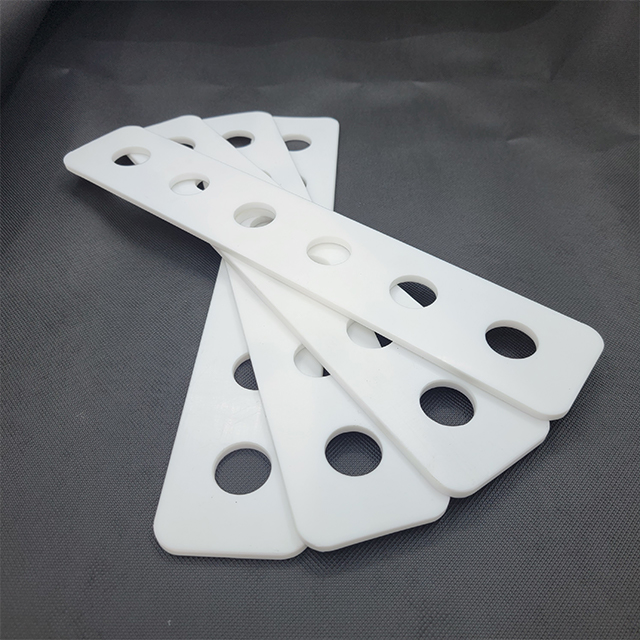
Quality fade represents a severe risk in industrial procurement. This phenomenon occurs when a supplier gradually and unannounced degrades material quality over successive orders to increase their profit margins. The first few batches meet all specifications perfectly. Six months later, deliveries exhibit increased brittleness, color variations, or poor dimensional stability. Combating quality fade requires strict, ongoing auditing and uncompromising acceptance criteria upon delivery.
Auditing resin sourcing serves as your primary defense against material degradation. Many extruders mix virgin resin with regrind—recycled industrial scrap—to lower production expenses. A small, controlled percentage of high-quality regrind works fine for non-critical applications like dunnage or temporary ground protection mats. However, excessive or contaminated regrind destroys the mechanical properties of the final product.
Demand written documentation specifying the exact maximum percentage of regrind allowed in your specific batch. For high-performance or FDA-compliant applications, mandate 100% virgin resin. Verify compliance through regular material testing. If a vendor refuses to disclose their regrind ratios, disqualify them immediately.
Internal testing procedures validate the physical properties of the extruded plastic. Verify that the manufacturer maintains an on-site laboratory equipped to test critical failure points. Moisture absorption tests ensure the material will not swell or warp in damp environments. Stain and odor resistance testing is mandatory for food-grade applications. Chemical and acid resistance tests confirm the material's suitability for industrial containment. Ask to see their testing logs and verify that they follow standardized ASTM or ISO testing methodologies.
Certificates of Analysis (CoA) provide the empirical data needed to prove historical consistency. A CoA details the specific test results for a particular batch of resin or finished sheets. When evaluating a new vendor, request CoAs for past batches of similar materials. Look for consistency in density, melt flow index, and molecular weight distribution. Fluctuations in these metrics indicate poor process control.
Testing Metric | Standard Method | Importance for HDPE | Acceptable Variance |
|---|---|---|---|
Tensile Strength at Yield | ASTM D638 | Determines load-bearing capacity before permanent deformation. | ± 5% from baseline |
Izod Impact Resistance | ASTM D256 | Measures ability to withstand sudden physical shocks or drops. | ± 10% from baseline |
Melt Flow Index (MFI) | ASTM D1238 | Indicates molecular weight and extrusion consistency. | Strictly within resin spec |
Density | ASTM D792 | Confirms material grade (high vs. low density) and rigidity. | 0.93 to 0.97 g/cm³ |
Accurate lead time forecasting prevents production bottlenecks on your assembly line. Standard stock sizes typically ship within days, but a custom hdpe sheet requires dedicated production scheduling. Analyze how specific modifications impact delivery windows. Custom color matching often adds weeks to the timeline due to pigment sourcing and line purging. Specialized surface finishes or non-standard thicknesses require die changes and recalibration, further extending lead times. Obtain guaranteed delivery windows for various customization levels before signing a contract.
Advanced inventory management strategies mitigate supply chain shocks. Vendor-managed inventory (VMI) shifts the burden of stock monitoring to the supplier, ensuring you never run out of critical materials. Blanket orders allow you to lock in material availability for an extended period, with the manufacturer releasing shipments based on your production schedule. Stocking programs reduce your internal warehousing requirements while guaranteeing immediate availability of frequently used sheet sizes. Evaluate the vendor's willingness and technological capability to integrate with your ERP system for seamless inventory tracking.
Evaluating logistical efficiency extends beyond calculating freight rates. You must analyze the anticipated scrap rates resulting from poor dimensional tolerances. If a supplier delivers sheets with inconsistent thickness, your CNC machines will produce defective parts, driving up material waste and labor hours. Calculate the potential downtime risks associated with late deliveries or rejected batches. A reliable hdpe sheet supplier minimizes these risks through strict pre-shipment inspections and robust packaging protocols that prevent warping or scratching during transit.
Geographic location heavily influences logistical reliability. Partnering with a domestic manufacturer generally offers shorter transit times, easier communication, and straightforward recourse for defective batches. However, overseas manufacturers often possess massive production capacities. When considering international vendors, factor in the risks of shipping delays, port congestion, and complex communication barriers. Ensure clear agreements exist regarding liability for materials damaged during international transit.
Proper shipping methods prevent material damage before it reaches your dock. High-density polyethylene sheets must ship flat on reinforced pallets. If a vendor uses undersized pallets, the overhanging edges of the plastic will bow and take a permanent set during transit. Ask potential vendors about their specific crating and strapping procedures for long-haul freight.
Switching suppliers introduces immediate operational vulnerabilities. Tooling incompatibility represents a major hurdle. If the new supplier's material exhibits slightly different machining characteristics, your existing CNC router bits and feed rates may cause melting or edge chipping. Using a single-flute upcut spiral bit works well for one brand of polyethylene but might cause chatter marks on another. Your machinists will need time to dial in the correct feeds and speeds for the new material.
Differing shrinkage rates during secondary fabrication also pose significant problems. Polyethylene expands and contracts with temperature changes. If the new material has a different thermal expansion coefficient than your previous supply, precision-cut parts may not fit during final assembly. This becomes especially problematic when integrating plastic components with steel or aluminum frames.
Initial batch rejections frequently occur during vendor transitions. Misaligned expectations regarding surface finish, color tolerance, or edge squareness lead to unusable material arriving at your dock. These rejections stall your production lines while replacement material is manufactured and shipped. Identifying these specific transition risks allows your engineering team to prepare testing protocols before the first full-scale delivery arrives.
Never commit to high-volume, long-term contracts without empirical proof of capability. Start with a paid pilot run or a prototype order. This small-scale production run allows you to evaluate the supplier's communication, adherence to lead times, and actual material quality. Run the prototype sheets through your standard machining processes. Measure the resulting parts against your engineering drawings to verify dimensional stability and machining characteristics. Only proceed to larger orders once the pilot run passes all internal quality checks.
Establish clear Service Level Agreements (SLAs) prior to issuing the first purchase order. The SLA must explicitly define acceptable defect rates, usually expressed as a percentage of the total order. Detail the exact return policies for warped, scratched, or out-of-tolerance sheets. Include clauses that dictate the supplier's responsibility for expediting replacement materials at their expense.
Guaranteed delivery windows and penalties for late shipments must be clearly outlined to ensure accountability and protect your production schedule. A strong SLA forces the manufacturer to take ownership of their quality control processes before the material ever leaves their facility.
Selecting the right manufacturer requires a rigorous balance of technical fabrication capabilities, uncompromising quality assurance, and supply chain transparency. Relying on superficial metrics leads to material failures, production downtime, and compromised final products. By evaluating a vendor's extrusion technology, testing protocols, and logistical infrastructure, you secure a reliable source for critical industrial polymers.
Narrow down your candidates based on their ability to provide application-specific grades and verifiable Certificates of Analysis. A proven track record of holding tight tolerances on custom orders separates capable manufacturers from unreliable extruders. Prioritize vendors who demonstrate clear communication and a willingness to establish strict Service Level Agreements.
Take the following actions to finalize your vendor selection:
Request physical material samples of the exact resin grade and surface finish required for your application.
Review three years of quality documentation and CoAs to verify historical consistency.
Conduct a comprehensive facility audit, either virtual or in-person, focusing on equipment redundancy and testing laboratories.
Execute a paid pilot run to test the material's machining characteristics on your own equipment.
A: Standard thickness ranges typically fall between 1/16 inch and 5 inches. Thin sheets offer flexibility for lining applications, while thicker sheets provide the structural rigidity necessary for heavy-duty machined components and industrial load-bearing surfaces.
A: Request the manufacturer's compliance documentation referencing specific FDA regulations, typically 21 CFR 177.1520. Demand Certificates of Analysis that prove the material is manufactured from 100% virgin resin without unauthorized additives or regrind that harbor odors or bacteria.
A: A direct manufacturer operates extrusion lines, melts raw resin, and forms the plastic sheets in-house, offering full control over quality and custom formulations. A supplier or distributor purchases pre-made sheets in bulk and resells them, lacking the ability to alter core material properties.
A: Yes, capable manufacturers utilize advanced CNC routing and precision panel saws to deliver cut-to-size sheets. They consistently hold tight dimensional tolerances, often within fractions of a millimeter, reducing the need for secondary machining upon delivery.
A: Uneven cooling during the extrusion process or improper storage causes warping. Reliable manufacturers prevent this by utilizing computer-controlled cooling rollers to ensure uniform temperature reduction. They employ strict palletizing and strapping protocols to keep sheets flat during warehousing and transit.
A: Pipe grade HDPE is specifically formulated with advanced UV stabilizers or carbon black additives. These compounds protect the polymer chains from ultraviolet radiation, preventing the material from becoming brittle, cracking, or losing tensile strength during prolonged outdoor exposure.
A: MOQs for custom sheets vary widely based on the manufacturer's equipment size. Standard colors and thicknesses require only a few sheets. Custom color matching or non-standard resin blends require minimum runs of 1,000 to 5,000 pounds to justify line changeovers.


