

close
Choose Your Site
Global
Social Media


Views: 0 Author: Site Editor Publish Time: 2025-08-27 Origin: Site


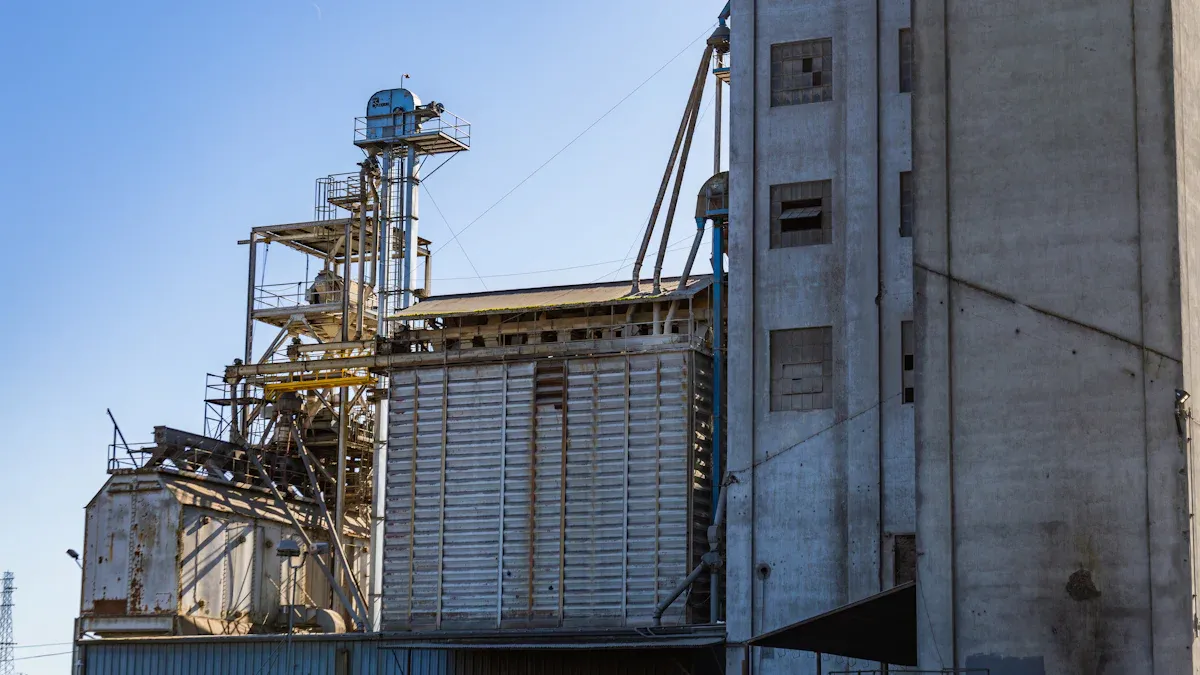
When you use a bucket elevator, you guide material through a clear cycle. First, the buckets scoop up material at the bottom. Next, the machine lifts the buckets upward along the belt or chain. At the top, the bucket elevator releases the material through a discharge chute. Finally, the empty buckets return to the starting point, ready for another load. This step-by-step process lets you move bulk materials efficiently and safely.
Bucket elevators move bulk materials vertically by scooping, lifting, discharging, and returning buckets in a continuous loop.
Choose the right bucket elevator type—centrifugal for fast, free-flowing materials; continuous for fragile or sticky products; vertical for space-saving lifts.
Key parts include buckets, belt or chain, head and boot sections, drive assembly, throat plate, and tensioning device, all working together for smooth operation.
Bucket elevators improve efficiency by handling large volumes quickly, reducing manual labor, containing dust, and saving floor space.
Regular maintenance and proper material choice help avoid blockages and extend the life of your bucket elevator system.

You encounter a bucket elevator when you need to move materials vertically in a controlled way. This machine uses a series of buckets attached to a belt or chain. Each bucket scoops up material at the bottom and carries it upward. You see the buckets travel inside a casing, which keeps everything contained and safe. The elevator operates in a continuous loop, so the buckets always return to the starting point after unloading.
Tip: You can spot a bucket elevator in places where you see grains, minerals, or other loose materials moving from one level to another.
A bucket elevator stands out because it handles materials that flow easily, like powders, granules, or small lumps. You rely on this equipment when you want to move large amounts of material quickly and with minimal spillage.
You use a bucket elevator for bulk material handling in many industries. The main purpose is to lift and transport materials from a lower level to a higher level. You often see this system in factories, warehouses, and processing plants.
In agriculture, you move grains from storage bins to silos.
In mining, you transfer crushed ore to processing stations.
In food production, you handle sugar, flour, or other ingredients.
You choose a bucket elevator when you need a reliable way to move materials vertically without losing product. The design helps you keep dust and debris contained, which improves safety and cleanliness. You also save time because the elevator works automatically and handles heavy loads with ease.
Note: You can improve your workflow and reduce manual labor by using a bucket elevator for bulk material handling tasks.
When you look at bucket elevator types, you find three main designs. Each one works best for certain materials and discharge methods. Understanding these differences helps you choose the right system for your needs.
You use a centrifugal bucket elevator when you want to move free-flowing materials like grains or pellets. The buckets scoop up material at the bottom and move quickly. As the buckets reach the top, the speed causes the material to fly out by centrifugal force. This method works well for materials that do not stick together.
Tip: Choose this type if you need fast unloading and handle dry, loose products.
A continuous bucket elevator moves at a slower speed. The buckets stay close together, forming a continuous line. When the buckets reach the top, they gently tip and let the material slide out. This gentle discharge protects fragile or sticky materials from damage. You often use this type for food products, chemicals, or materials that need careful handling.
Main features:
Gentle handling
Reduced product breakage
Lower speed operation
You see a vertical bucket elevator in places where you need to lift materials straight up over a short distance. This design uses buckets attached to a vertical belt or chain. The buckets move in a vertical path, picking up material at the bottom and carrying it directly upward. You often find a vertical bucket elevator in tight spaces or where you need a compact solution.
Note: A vertical bucket elevator works well for powders, granules, or small lumps. You can use it in factories, warehouses, or processing plants that need efficient vertical transport.
A vertical bucket elevator stands out because it saves floor space and fits into areas where other systems cannot. You get reliable performance and easy maintenance with this design.
Type | Discharge Method | Best For |
|---|---|---|
Centrifugal | Centrifugal force | Fast, free-flowing materials |
Continuous | Gravity (gentle tip) | Fragile or sticky materials |
Vertical bucket elevator | Direct vertical lift | Compact, vertical transport |
When you compare bucket elevator types, you see that the vertical bucket elevator offers a unique solution for space-saving and efficient lifting.
You start the process at the boot section, which sits at the bottom of the bucket elevator. Here, you feed bulk material into the system. The buckets, attached to a belt or chain, scoop up the material as they pass through the loading area. You can use a hopper to guide the material into the buckets. The design keeps the material contained and prevents spillage.
Tip: Make sure the boot section stays clean. This helps you avoid blockages and keeps the loading process smooth.
Once the buckets fill with material, you see them move upward along the vertical path. The belt or chain, driven by the drive assembly, pulls the buckets from the boot section toward the head section at the top. Pulleys or sprockets guide the movement and keep the system running smoothly. You rely on the belt or chain to provide steady lifting power.
The buckets travel inside a casing, which protects the material and keeps dust inside.
The speed of lifting depends on the type of bucket elevator you use. Centrifugal models move faster, while continuous models operate at a slower pace.
You use the working principle of bucket elevator to transport materials vertically with minimal effort. The system handles heavy loads and works automatically, so you do not need to lift materials by hand.
When the buckets reach the head section, you see the unloading process begin. The method of unloading depends on the type of bucket elevator.
In a centrifugal bucket elevator, the buckets move quickly. The speed causes the material to fly out by centrifugal force. This method works best for dry, free-flowing products.
In a continuous bucket elevator, the buckets move slowly. The material slides out gently by gravity as the buckets tip over the discharge chute. This gentle unloading protects fragile or sticky materials.
You control the unloading process by adjusting the speed and angle of the buckets. The head section often includes a throat plate, which helps guide the material into the discharge chute.
Note: Proper unloading ensures you get consistent flow and avoid clogging at the top.
After unloading, the empty buckets continue moving along the belt or chain. They travel down the opposite side of the elevator, returning to the boot section. The system operates in a continuous loop, so the buckets always stay in motion. You do not need to reset the system after each cycle.
The return path keeps the buckets ready for the next load.
The tensioning device maintains the correct belt or chain tension, which prevents slippage and keeps the cycle running smoothly.
You use the working principle of bucket elevator to keep your operation efficient. The automatic return cycle saves time and reduces manual labor.
Step | Section Involved | Action | Key Feature |
|---|---|---|---|
Loading | Boot section | Buckets scoop material | Hopper guides material |
Lifting | Belt/Chain, Drive | Buckets move upward | Casing contains dust |
Unloading | Head section | Material discharged | Centrifugal or gravity tip |
Return Cycle | Belt/Chain | Buckets return empty | Tensioning device |
Remember: You can choose the right bucket elevator type based on your material and unloading needs. Centrifugal discharge works best for fast, free-flowing materials. Gravity discharge suits fragile or sticky products.
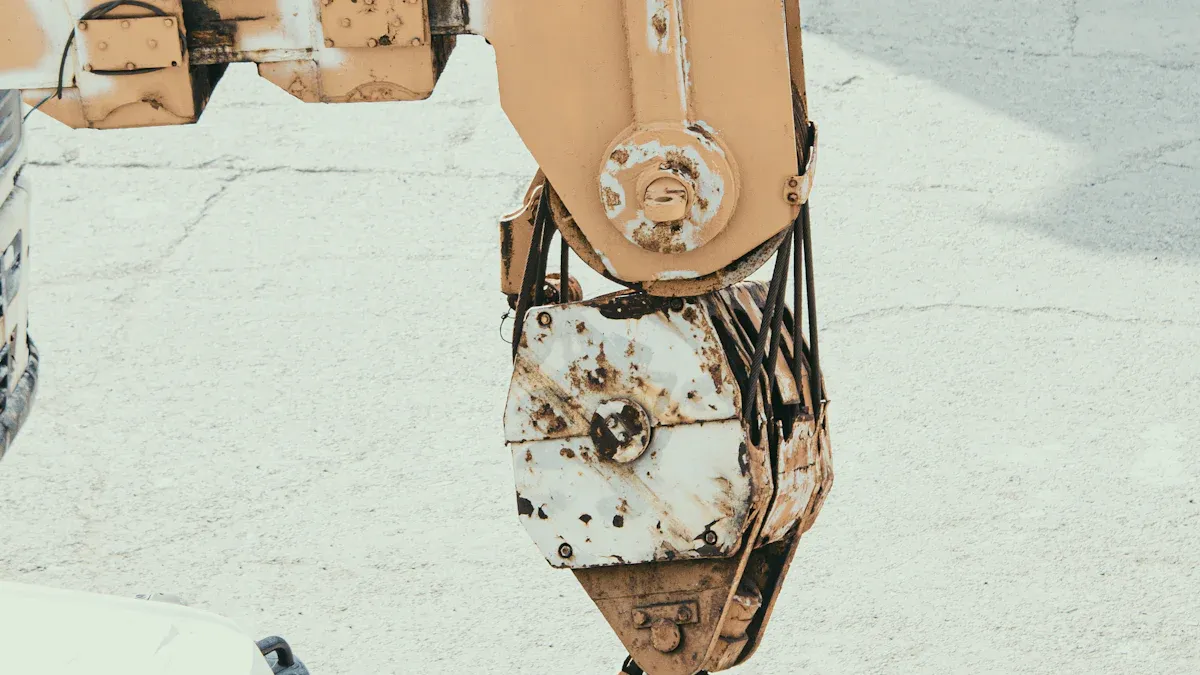
When you look at the structure of bucket elevator systems, you notice several important parts working together. Each part has a specific job. Understanding these bucket elevator components helps you keep your equipment running smoothly.
You see the buckets as the main carriers in the system. Each bucket scoops up material at the bottom and holds it securely during the lift. The size and shape of the buckets depend on the type of material you want to move. Strong buckets prevent spills and reduce waste.
You find the belt or chain connecting all the buckets. The belt works well for lighter materials, while the chain handles heavier loads. This part moves the buckets through the elevator. You need to check the belt or chain often to avoid breakdowns.
The head section sits at the top of the elevator. Here, you see the buckets discharge their load. The boot section stays at the bottom, where the buckets pick up material. Both sections protect the moving parts and help guide the buckets.
Tip: Clean the boot section regularly to prevent material buildup.
You rely on the drive assembly to power the elevator. This part includes the motor, gearbox, and pulleys or sprockets. The drive assembly keeps the belt or chain moving at the right speed. You can adjust the speed to match your material flow.
The throat plate sits in the head section. It guides the material as it leaves the buckets and enters the discharge chute. A well-placed throat plate reduces spillage and keeps your process efficient.
Other Important Part:
Tensioning Device: You use the tensioning device to keep the belt or chain tight. Proper tension prevents slippage and extends the life of your bucket elevator parts.
Component | Function |
|---|---|
Buckets | Carry and lift material |
Belt or Chain | Move buckets through the elevator |
Head Section | Discharge material at the top |
Boot Section | Load material at the bottom |
Drive Assembly | Provide power and control speed |
Throat Plate | Guide material into discharge chute |
Tensioning Device | Maintain proper belt or chain tension |
When you understand each part, you can spot problems early and keep your system running longer. Knowing the main bucket elevator components makes maintenance easier and improves safety.
You see bucket elevator work in many industries that need bulk material handling. You often use these machines in agriculture to move grains, seeds, or feed between silos and storage bins. In mining, you rely on bucket elevators to lift crushed ore or minerals to higher levels for processing. You also find them in food production, where you handle sugar, flour, or other ingredients. Factories use bucket elevators to transport chemicals, plastics, or powders.
Tip: You can improve your workflow by choosing a bucket elevator for any job that requires moving large amounts of loose material vertically.
You benefit from several advantages when you use a bucket elevator.
You achieve efficient material handling because the system moves large volumes quickly.
You reduce manual labor and lower the risk of injury.
You keep dust and debris contained, which helps maintain a clean work area.
You save floor space since the vertical design fits into tight areas.
You enjoy reliable operation with minimal supervision.
Here is a quick overview:
Advantage | Benefit to You |
|---|---|
High capacity | Move more material at once |
Enclosed system | Less spillage and dust |
Vertical design | Save valuable floor space |
Automatic operation | Lower labor costs |
You should also consider the limitations of bucket elevator work.
You may face problems with sticky or wet materials, which can cause blockages.
You need regular maintenance to keep the belt or chain in good condition.
You might find that the initial cost is higher than other bulk material handling systems.
You must ensure proper loading and unloading to avoid jams.
Note: Always check the type of material you want to move before choosing a bucket elevator. Some materials may not suit this equipment.
You now understand how a bucket elevator moves material from loading, lifting, and discharging, then returns for the next cycle. This system helps you handle bulk materials efficiently and safely. When you choose a bucket elevator, you improve your workflow and reduce manual labor. Think about your material type and space before making a decision.
Remember: Weigh the benefits and limitations to see if a bucket elevator fits your operation.
You look at the type, size, and flow of your material. You check if it is sticky, fragile, or free-flowing. You match your needs to the elevator type and bucket design.
You inspect the belt or chain, buckets, and drive assembly often. You clean the boot section and check for wear. You adjust the tensioning device to keep everything running smoothly.
Tip: Schedule regular checks to prevent breakdowns.
You can use a bucket elevator outdoors if you choose weather-resistant materials. You protect the system with covers and seals. You check for rust and damage after storms.
Outdoor Use | Recommendation |
|---|---|
Yes | Use weatherproof parts |
You look for enclosed casings, emergency stop buttons, and guards on moving parts. You train workers to use the system safely. You follow safety guidelines for your industry.
Enclosed casing
Emergency stop
Guards on moving parts


