

close
Choose Your Site
Global
Social Media


Views: 0 Author: Site Editor Publish Time: 2026-03-14 Origin: Site


Sprockets play a critical role in machinery, ensuring smooth power transmission. Without proper maintenance, however, sprockets can face common issues that reduce efficiency. In this article, you will learn about typical sprocket problems, including wear, misalignment, and corrosion. We’ll also discuss how to address these issues to extend the life of your equipment.
Sprocket teeth naturally wear down over time due to constant engagement with the chain. As this wear progresses, the teeth begin to develop a "hooked" shape, a common issue known as hooked teeth. This occurs as the edges of the teeth become sharp and jagged, leading to inefficient chain engagement.
When sprocket teeth hook, the chain may not fit properly into the sprocket, causing it to slip or skip. This disrupts power transmission, resulting in reduced performance and increased wear on both the sprocket and the chain. In some cases, if not addressed, the system can fail entirely.
Key Effects:
● Reduced chain engagement
● Increased slippage and skipping
● Premature system failure if not replaced
Excessive wear at the base of the sprocket occurs when the chain’s constant friction wears down the areas where the teeth meet the chain. Over time, this wear can cause the sprocket to lose its effectiveness, leading to chain misalignment or even the chain lifting off the sprocket under load.
Key Effects:
● Misalignment of the chain
● Chain lifting off the sprocket
● Decreased operational efficiency
Regular inspection is necessary to identify base wear early. If wear becomes significant, replacing the sprocket is essential to ensure continuous operation.
Sprockets are often exposed to harsh environments, which can lead to corrosion or rust. Moisture, chemicals, or abrasive materials can cause metal degradation, weakening the sprocket’s structure. Rust creates pits or flakes on the sprocket surface, disrupting chain engagement.
Impact of Corrosion:
● Reduced strength and durability
● Poor chain engagement due to rust buildup
● Increased maintenance and replacement needs
To prevent corrosion, sprockets should be regularly cleaned and lubricated. In corrosive environments, using materials resistant to rust or applying protective coatings can help extend the sprocket’s lifespan.
Misalignment of sprockets occurs when the two sprockets in a system—one connected to the drive shaft and the other to the driven shaft—are not perfectly aligned. This condition prevents the chain from sitting correctly in the sprocket teeth, which leads to uneven contact during operation. As a result, both the sprocket and the chain experience accelerated wear and a higher risk of damage.
Incorrect installation is one of the most common reasons for misalignment. If sprockets are mounted at an improper angle or positioned incorrectly relative to each other, the chain is subjected to uneven tension. Over time, normal wear of sprocket teeth, chain elongation, or worn shafts and bearings can worsen the misalignment, causing the sprockets to shift or tilt further during operation.
Cause | Description | Resulting Effect |
Incorrect sprocket installation | Sprockets are mounted at the wrong angle or position during installation | Uneven chain tension and accelerated wear |
Wear in sprocket components or bearings | Bearings or supporting parts wear over time | Sprockets shift or tilt during operation |
Improper alignment during initial setup | Alignment errors are present from the start | Progressive misalignment and uneven tooth wear |
Addressing misalignment requires both prevention and correction. Preventing misalignment starts with proper installation, ensuring that the sprockets are aligned according to manufacturer specifications. It's also crucial to regularly inspect sprockets and their supporting components, such as shafts and bearings, to identify wear or shifting that could lead to misalignment.
To fix existing misalignment, the first step is to check the alignment using tools like a laser alignment device or string line. These tools help ensure that the sprockets are perfectly aligned along their axis. If misalignment is detected, it’s important to adjust the sprockets or replace worn components such as bearings or shafts. For larger systems, realigning sprockets may require disassembling and reassembling parts to restore proper function.
Steps to Correct Misalignment:
1. Inspect the sprockets and supporting components for signs of wear or damage.
2. Use alignment tools (such as laser devices or string lines) to check sprocket positioning.
3. Adjust sprockets or replace worn-out components to restore proper alignment.
4. Regularly monitor sprockets for any signs of misalignment and address them promptly to avoid further damage.
Preventive maintenance is crucial in avoiding misalignment issues. Ensuring proper installation and ongoing alignment checks can significantly extend the life of both sprockets and chains, preventing costly repairs and system downtime.
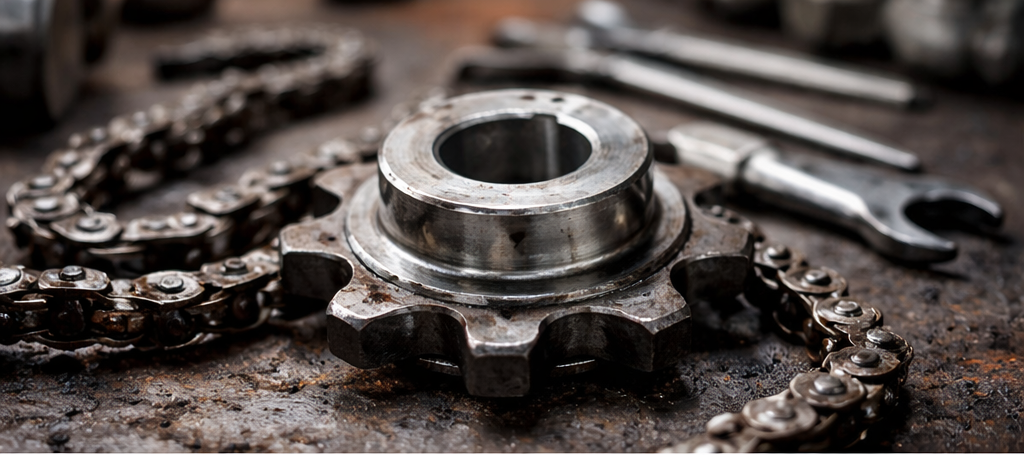
Worn or misaligned sprockets have a direct impact on the efficiency of mechanical systems. As sprockets deteriorate, either through wear or misalignment, they no longer mesh with the chain as effectively as they should. This poor engagement leads to increased friction, which directly causes energy loss. When the chain does not engage properly with the sprocket teeth, it results in wasted energy, reducing the overall efficiency of the system.
In systems where sprockets are vital for power transmission, such as conveyor belts or industrial machinery, this loss of energy can lead to slower performance, reduced throughput, and higher operational costs. When sprockets fail to operate at full capacity, the entire system may experience slower speeds, additional strain on other components, and more frequent breakdowns, which negatively impacts productivity.
Damage Type | Signs and Symptoms | Solutions |
Worn Teeth | Teeth appear rounded or sharp, chain fails to engage properly. | Replace sprocket, ensure proper alignment with chain. |
Excessive Wear at the Base | Chain lifts off sprocket, causing slipping or uneven power transfer. | Inspect sprocket regularly, replace worn parts as needed. |
Corrosion and Rust | Rust buildup, visible discoloration, and pitting on the sprocket. | Clean sprocket regularly, use rust-resistant coatings or materials. |
Misalignment | Uneven wear on sprocket teeth, chain jumps off sprocket. | Realign sprockets, check supporting components like shafts and bearings. |
Key Effects:
● Increased friction and energy loss
● Reduced throughput and productivity
● Greater strain on other system components
Sprocket failure can pose significant safety risks in industrial settings. As sprockets wear out or become misaligned, they can cause unexpected issues such as chain slippage or even failure to engage. This can lead to machinery breakdowns, causing delays in production, expensive repairs, or even hazardous situations in the workplace.
For example, a misaligned sprocket might cause a chain to slip off unexpectedly, which can damage surrounding equipment or result in a malfunction. In some severe cases, sprocket failure can cause large machinery components to drop or move uncontrollably, posing a direct risk to the operator or nearby workers. Ensuring sprockets are in good working condition is critical not only for maintaining operational efficiency but also for safeguarding personnel.
Key Safety Risks:
● Chain slippage or disengagement
● Uncontrolled movement of machinery
● Risk of accidents and injury
Visual inspections are an essential first step for diagnosing sprocket problems. Regular checks should include looking for signs of wear such as hooked teeth, sharp points, or uneven tooth profiles. Misalignment can also be identified through visual inspection by checking that sprockets are positioned correctly relative to each other and the chain. If any irregularities are noticed, such as uneven wear or teeth that no longer mesh properly with the chain, it could be an indication of misalignment or excessive wear.
Additionally, unusual noises during operation—such as grinding, scraping, or clunking sounds—can help detect sprocket problems early. These sounds often suggest that the sprocket teeth are worn or that there is misalignment between the sprocket and the chain. Listening for such noises can be a quick way to identify issues before they cause major damage.
Key Diagnostic Tips:
● Inspect sprocket teeth for wear or damage.
● Check for proper alignment between sprockets and chains.
● Listen for unusual sounds like grinding or clunking.
Sprocket damage can be identified by several key symptoms. One of the most common indicators is worn or broken teeth, which can cause the chain to slip, fail to engage, or jump off the sprocket. This not only reduces the efficiency of the system but can lead to further damage to both the sprocket and chain if left unaddressed. Another sign of sprocket damage is a noticeable decrease in performance, such as a slower system speed or reduced load capacity. These performance issues often point to problems with sprocket teeth, alignment, or chain engagement.
Key Damage Indicators:
● Worn or broken teeth causing slipping or failure to engage
● Decreased performance or load capacity
● Chain jumping off the sprocket
While regular inspections and basic adjustments can resolve many sprocket issues, there are times when professional help is needed. If sprocket teeth are severely worn or damaged, or if misalignment continues despite adjustments, it’s time to consult a professional. Misalignment or heavy wear may require specialized tools or a more thorough examination.
A professional can assess whether the sprocket needs to be replaced entirely or if repairs can be made. They can also ensure that the sprockets and chain are properly sized and aligned, providing expert advice on long-term solutions.
When to Seek Professional Help:
● Severe wear or damage to sprocket teeth
● Persistent misalignment despite adjustments
● Need for precision alignment or component replacement
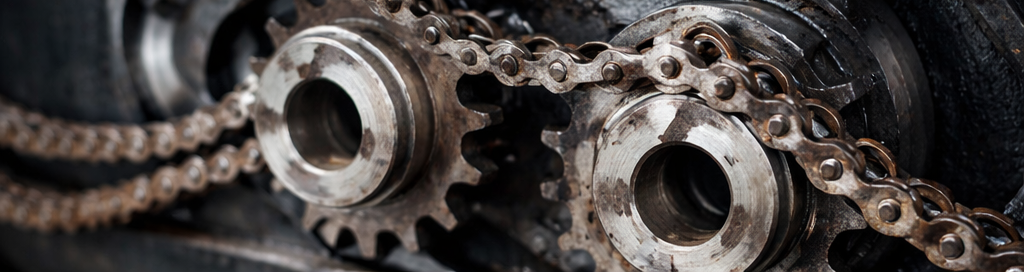
Over time, sprockets experience wear and tear due to continuous use, and it’s essential to recognize the signs that indicate they need replacement. One of the most obvious indicators is the appearance of worn or damaged teeth. When sprocket teeth become rounded, broken, or excessively sharp, they can no longer properly engage with the chain, causing slippage or uneven power transmission.
Another sign that your sprocket may need replacement is excessive wear at the base, where the teeth meet the chain. If this area shows significant thinning or deformation, it may no longer be effective in transferring motion, leading to operational inefficiencies. Similarly, corrosion and rust can weaken the sprocket, especially in harsh environments, making it more prone to breakage.
Key Signs for Replacement:
● Worn, broken, or sharp teeth that fail to engage with the chain
● Excessive wear at the base of the sprocket
● Corrosion or rust affecting the sprocket’s structural integrity
● Decreased performance or noticeable inefficiencies in operation
When sprocket damage is detected, deciding whether to repair or replace depends on several factors, including the severity of the damage, the age of the sprocket, and the overall system performance. If the sprocket shows minor wear or misalignment that can be corrected through adjustment or realignment, repair might be the best option. However, if the damage is significant—such as severely worn teeth, cracks, or extensive corrosion—replacement is usually the better choice to avoid future system failure.
Another consideration is the age of the sprocket. If the sprocket has been in service for a long time and shows signs of excessive wear, replacing it can prevent further damage to the chain and other connected components, which could be more costly in the long run. Professional inspections can help in determining whether repairs will restore the sprocket to full functionality or if replacement is necessary.
Factors to Consider:
1. Severity of Damage: Minor wear can often be repaired, but significant damage may require replacement.
2. Age of the Sprocket: Older sprockets with extensive wear are often better replaced to avoid ongoing issues.
3. Overall System Impact: If the sprocket’s condition is negatively affecting system performance, replacement is advisable to restore efficiency.
4. Cost Efficiency: In some cases, replacing a sprocket may be more cost-effective than continuous repairs, especially if damage is widespread.
Regular inspections and proper maintenance can help identify sprocket issues early, allowing for timely repairs or replacements. By addressing these issues promptly, you can extend the life of your machinery and avoid costly downtime or breakdowns.
Common sprocket problems include wear, misalignment, and tension issues. Regular maintenance is essential to prevent these problems and ensure smooth operation. Proper sprocket care reduces downtime and improves system efficiency. For reliable sprockets and components, Jiangsu Jingwei Conveying Equipment Co., Ltd. provides durable and high-performance solutions that extend equipment lifespan through expert manufacturing and maintenance support.
A: A sprocket is a key component used to transmit power in machinery by engaging with a chain, ensuring efficient and reliable motion transfer in various industrial applications.
A: Misalignment causes uneven wear on sprockets, leading to decreased operational efficiency, increased wear on chains, and potential system failures if left unaddressed.
A: Worn sprockets can cause operational inefficiencies, higher maintenance costs, and system downtime, making timely replacement or repair crucial for long-term savings.
A: Regular cleaning, lubrication, and tension adjustments help prevent wear, misalignment, and corrosion, ensuring sprockets perform optimally and last longer.


