

close
Choose Your Site
Global
Social Media


Views: 0 Author: Site Editor Publish Time: 2026-03-17 Origin: Site


How long do sprockets really last in industrial systems? These essential components play a crucial role in the smooth operation of conveyor systems and machinery. From food processing to mining, sprockets are vital for reliable performance. In this article, we will explore the factors that affect sprocket lifespan and how to maximize their durability.
A sprocket is a toothed mechanical component that engages with a chain, track, or other perforated materials to transmit rotary or linear motion. Unlike gears, sprockets do not mesh directly with each other but instead work with chains to transfer power. This unique feature ensures that sprockets play a crucial role in applications where slippage is unacceptable, such as in heavy-duty machinery and conveyors.
Sprockets are designed with teeth that interlock with the chain's links, ensuring a firm grip and smooth, reliable movement. They are critical in systems where precise and uninterrupted motion is needed. For example, in conveyors or industrial equipment, sprockets help maintain the stability and consistency of power transfer.
● Transmit rotary motion to chains or belts
● Ensure smooth, reliable engagement with the chain
● Minimize slippage, which is vital in heavy-duty machinery
In conveyor systems, sprockets are essential for driving the movement of chains or belts that transport materials across various stages of production. These systems are found in industries like mining, food processing, and warehousing, where sprockets ensure the consistent movement of materials.
Conveyor sprockets are designed to meet specific industry needs, such as:
● Mining: Sprockets in drag conveyors move heavy, abrasive materials like ores and rocks. These sprockets must be durable enough to withstand the wear and tear of rough materials.
● Food Processing: Conveyor sprockets in food processing must meet hygiene standards, be easy to clean, and ensure the smooth movement of food products without contamination.
● Durability: Essential for high-impact industries like mining and food processing.
● Precision: Ensures smooth engagement with chains for consistent movement.
● Adaptability: Can be customized based on the needs of specific industries.
Proper maintenance of sprockets in these systems is vital to ensuring their longevity. Regular inspections, cleaning, and lubrication can prevent costly downtime and ensure the conveyor system operates efficiently. When sprockets are well-maintained, the entire conveyor system's reliability improves, reducing the need for frequent replacements and repairs.
● Regular Inspection: Check sprockets for signs of wear, such as tooth damage or misalignment.
● Lubrication: Keep sprockets and chains lubricated to reduce friction and extend lifespan.
● Alignment: Ensure sprockets and shafts are properly aligned to prevent uneven wear.
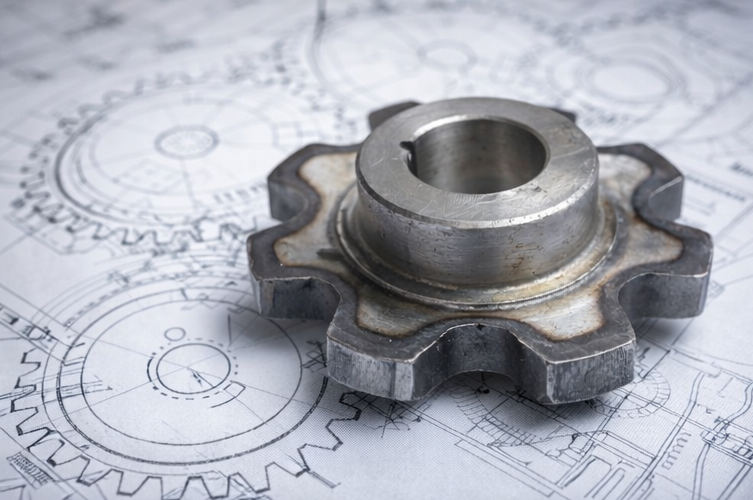
Sprockets used in heavy-duty industries like mining are exposed to harsh conditions that significantly affect their lifespan. In environments where abrasive materials such as ores, rocks, and minerals are transported, sprockets experience intense wear due to the physical stress of moving these materials. As a result, sprockets in mining applications generally have a shorter lifespan compared to those used in less demanding industries.
The lifespan of sprockets in mining depends on several factors, including:
● Material quality: Sprockets made from high-strength materials, such as hardened steel or stainless steel, tend to last longer in these environments.
● Maintenance frequency: Regular inspection and lubrication help prevent excessive wear and tear. Sprockets that are poorly maintained may wear out faster, requiring more frequent replacements.
● Operating conditions: Sprockets used in environments with high dust, dirt, and moisture levels are prone to faster degradation. Proper sealing and coating can help protect sprockets from external elements, extending their life.
In general, sprockets in mining applications may need replacement every 1–2 years, depending on the severity of the operating conditions and the maintenance practices in place.
In food and beverage processing applications, sprockets are designed with a focus on both durability and hygiene. These sprockets need to withstand constant use in environments where cleanliness is paramount, and food safety standards must be adhered to. Unlike sprockets in mining, those used in the food industry often face different types of challenges, such as exposure to moisture, cleaning chemicals, and food debris.
Sprockets in food processing systems are typically made from materials that are resistant to corrosion and easy to clean. Stainless steel is a popular choice due to its durability and non-reactive properties. In addition, sprockets used in these environments often feature smooth finishes and are designed for easy maintenance, ensuring that there are no places where food or debris can collect.
The lifespan of sprockets in the food industry can be extended with proper maintenance, which includes:
● Regular cleaning: To remove any food residues or debris that could lead to corrosion.
● Lubrication: Ensuring sprockets operate smoothly and reduce friction.
● Inspection: Checking for signs of wear, such as tooth damage or corrosion, which could compromise the system's efficiency.
Typically, sprockets in the food and beverage industry last between 3–5 years, depending on usage intensity and the implementation of maintenance practices.
The material used to manufacture sprockets plays a crucial role in determining their lifespan, especially in demanding industrial environments. For sprockets to perform reliably over time, they need to withstand wear, corrosion, and the stress of heavy loads. This is why materials like hardened steel and carbon steel are commonly chosen for industrial sprockets.
Material | Key Properties | Best For |
Hardened Steel | High strength, wear resistance, and toughness | Heavy-duty applications like mining or transport of abrasive materials. |
Carbon Steel | Good balance of strength, hardness, and cost-efficiency | General industrial applications, including conveyor systems and material handling. |
Hardened steel is ideal for high-stress applications where sprockets endure heavy loads and frequent use. Carbon steel is another popular material due to its good balance of strength, hardness, and cost-efficiency, making it suitable for a wide range of industrial environments. Both materials ensure that sprockets retain their shape and function even in abrasive or corrosive conditions, which is critical for systems like conveyor systems in industries such as mining, food processing, and warehousing.
Regular maintenance is one of the most effective ways to extend the lifespan of sprockets. In industrial settings, sprockets are subject to continuous wear from chain engagement, dirt, and external factors. However, proper maintenance practices can significantly reduce the rate of wear and prolong their service life.
Key maintenance practices include:
Maintenance Practice | Description |
Regular Cleaning | Remove dirt, debris, and residue from sprockets and chains to ensure smooth operation. |
Lubrication | Apply the right lubricant to sprockets and chains to minimize friction and reduce wear. |
Tension Control | Maintain proper chain tension to avoid excessive strain on sprockets. |
Jiangsu Jingwei’s sprockets are specifically designed for easy maintenance, with smooth surfaces and precision machining that makes cleaning and lubrication straightforward. Their sprockets also feature an optimized tooth design, reducing friction and improving chain engagement, which directly impacts how long the sprockets last in various applications.
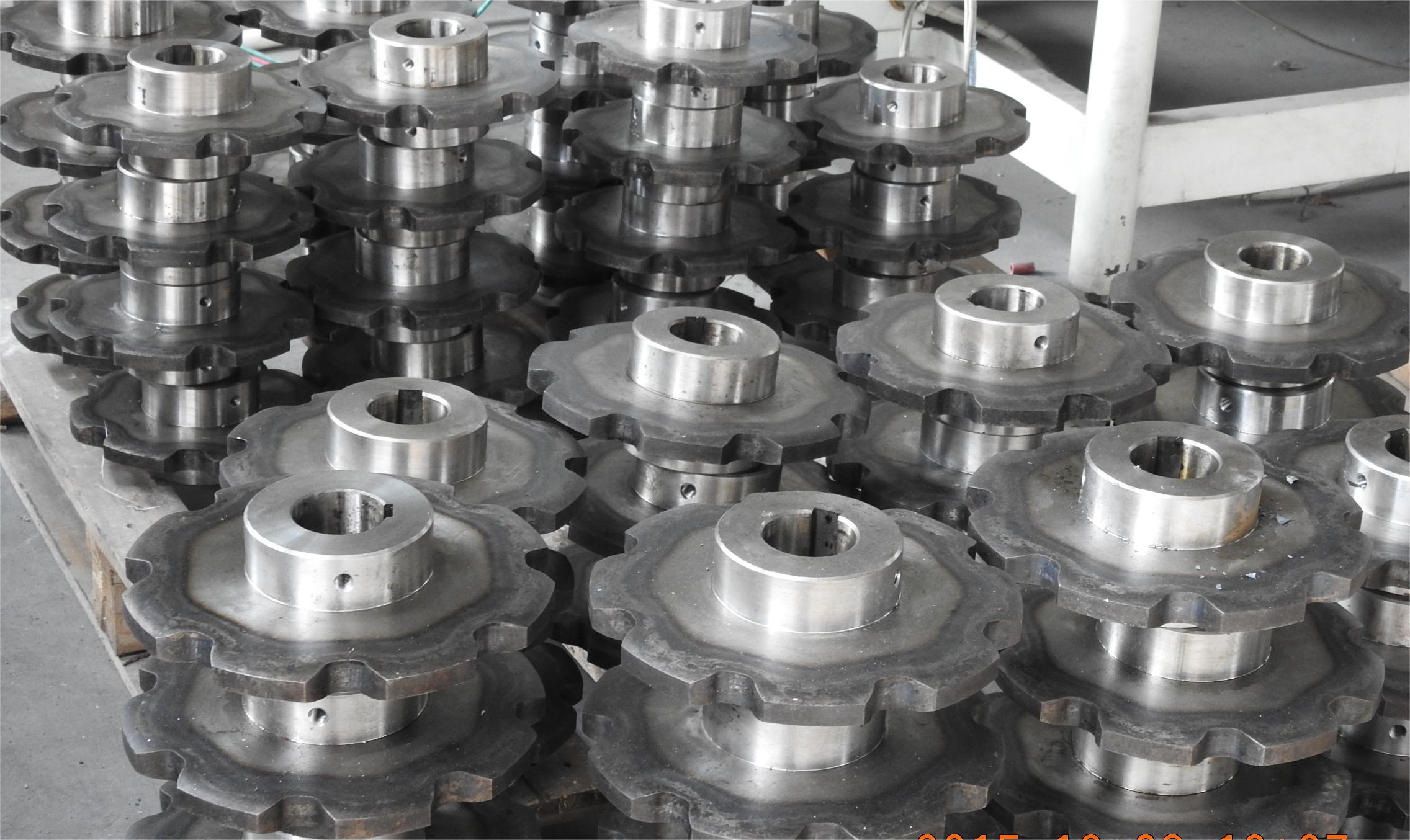
By implementing these maintenance practices, companies can ensure their sprockets remain in top condition for an extended period, minimizing downtime and maintenance costs while maximizing the efficiency of their operations.
Sprockets are designed to withstand significant wear over time, but there are clear visual indicators that suggest they may need replacement. Regularly inspecting sprockets for these signs can prevent further damage to the system and ensure smooth operation.
Key signs of wear include:
● Teeth Damage: As sprockets age, the teeth can become chipped, cracked, or worn down, affecting their ability to engage properly with the chain. This can lead to poor chain engagement, which accelerates wear on both the sprocket and the chain.
● Misalignment: When sprockets become misaligned due to wear or improper installation, it can cause uneven load distribution. This results in uneven wear on the sprocket teeth and leads to decreased efficiency.
● Deep Grooves: As the sprocket engages with the chain, it may develop noticeable grooves. This can happen when the chain is not properly lubricated, or if debris enters the system, increasing wear on the teeth.
● Cracks or Deformation: Over time, sprockets made of lower-quality materials may start to crack or deform due to excessive stress. These cracks weaken the structural integrity of the sprocket, making it prone to failure.
A visual inspection should be performed regularly to catch these issues early. If any of these signs are present, it’s important to replace the sprocket to avoid causing damage to the chain or other components in the system.
In addition to visual signs, the performance of the sprocket can also reveal when it’s time for a replacement. Sprockets that show no obvious signs of damage may still fail to operate efficiently, leading to overall system inefficiency.
Common performance issues include:
● Slippage: If the sprocket starts slipping during operation, it may no longer provide the necessary grip on the chain. This issue can cause inconsistent movement and result in further wear to the chain, leading to higher operational costs and potential breakdowns.
● Chain Skipping: When the chain begins to skip or jump over the sprocket teeth, it indicates that the teeth may be worn down or damaged. This can cause an inefficient transfer of power, leading to production delays or system failure.
● Uneven Chain Movement: A sprocket that is not functioning properly can cause uneven movement in the chain. If the sprocket teeth do not engage uniformly, the chain will not run smoothly, resulting in jerky or erratic movement. This is particularly problematic in continuous processes like conveyor systems.
It’s crucial to monitor the performance of sprockets closely in addition to visual checks. If any performance-related signs are detected, it’s a strong indicator that the sprockets need to be replaced to maintain system efficiency and avoid further damage to other components.
One of the best ways to extend the lifespan of sprockets is through regular preventive maintenance. Keeping sprockets clean, lubricated, and properly aligned can significantly reduce wear and prevent costly replacements.
Effective preventive maintenance includes:
Maintenance Practice | Description |
Regular Inspections | Periodically inspect sprockets for signs of wear, misalignment, or damage. |
Lubrication | Apply the right lubricant to sprockets and chains to minimize friction and reduce wear. |
Cleaning | Ensure sprockets and chains are free of dirt, debris, or other materials that can accelerate wear. |
Proper Tension | Maintain proper chain tension to avoid excessive strain on sprockets. |
Proper alignment of sprockets and shafts is essential to reduce unnecessary wear. Misalignment can lead to uneven load distribution, causing the sprockets to wear unevenly and eventually fail.
Key steps to maintain alignment:
1. Check Alignment Regularly: Misalignment is often gradual and may not be immediately obvious. Use alignment tools to check that sprockets and shafts are properly aligned, especially when installing new sprockets or after significant system changes.
2. Adjust for Shaft Movement: If the shafts experience end-wise float, make allowances for proper alignment at the midpoint of the float. Misalignment in this case can cause the sprocket to work unevenly, leading to excessive wear.
3. Ensure Proper Mounting: During installation, ensure that sprockets and shafts are securely mounted and aligned according to the manufacturer’s guidelines. This helps to maintain proper engagement and reduces the likelihood of misalignment.
Replacing sprockets is an essential part of maintaining a conveyor system. Over time, sprockets can become worn or damaged, leading to reduced efficiency and potential system failure. Performing sprocket replacement as part of regular conveyor system maintenance ensures that your machinery operates at peak performance and reduces the likelihood of unplanned downtime.
Here is a step-by-step guide to replacing sprockets:
1. Shut Down the System: Ensure the conveyor system is powered off and fully isolated from any electrical sources before beginning the replacement process.
2. Remove the Chain: Disengage the chain from the sprocket by either removing it or loosening it, depending on the design of the system.
3. Inspect the Sprocket and Other Components: Before replacing the sprocket, check the surrounding components for wear or damage. This includes the shaft, chain, and bearings, ensuring they are in good working condition.
4. Remove the Old Sprocket: Use appropriate tools to remove the worn sprocket. In some systems, sprockets may be secured with set screws or bolts that need to be loosened.
5. Install the New Sprocket: Position the new sprocket on the shaft, ensuring it aligns correctly with the chain. Tighten any screws or bolts to secure the sprocket in place.
6. Reinstall the Chain: Once the new sprocket is installed, reattach the chain, ensuring it fits snugly and runs smoothly over the sprocket.
7. Test the System: After installation, run the conveyor system for a short period to ensure the sprocket is functioning properly. Monitor the system for any signs of misalignment or malfunction.
When replacing sprockets, it is important to replace them in sets, particularly in conveyor systems where sprockets, chains, and shafts work together. Replacing a single sprocket without addressing the rest of the components can lead to uneven wear and reduced system efficiency.
Why Replace Sprockets in Sets?
● Even Wear: Sprockets, chains, and shafts are all part of an interconnected system. When one component wears out, it often causes additional stress on the other parts. Replacing sprockets in sets ensures that the wear is evenly distributed, preventing the system from becoming unbalanced.
● Optimal Performance: Replacing all components at the same time ensures that they mesh correctly, improving the overall efficiency of the conveyor system. This reduces the risk of further damage and extends the lifespan of the entire system.
● Cost Savings: While it may seem more expensive to replace all components at once, it can actually save money in the long run by preventing the need for frequent repairs and replacements of individual parts.
Sprockets' lifespan is influenced by factors like material, maintenance, and operational conditions. Choosing high-quality sprockets, such as those from Jiangsu Jingwei Conveying Equipment Co., Ltd., ensures better durability in demanding industrial applications. Regular maintenance, like lubrication and alignment, extends sprocket life, enhancing system efficiency.
A: Sprockets typically last 1-5 years in industrial applications, depending on factors such as material, maintenance, and the operating environment.
A: Key factors include material selection (e.g., hardened steel), maintenance practices, chain tension, and environmental conditions such as moisture or abrasion.
A: Replacing worn sprockets ensures optimal chain engagement, reduces friction, and prevents system downtime due to premature failure.
A: Regular lubrication, proper alignment, and routine inspections can significantly extend the lifespan of sprockets and maintain system efficiency.
A: While higher-quality sprockets may have a higher upfront cost, they offer better durability and lower long-term maintenance costs in industrial systems.


